

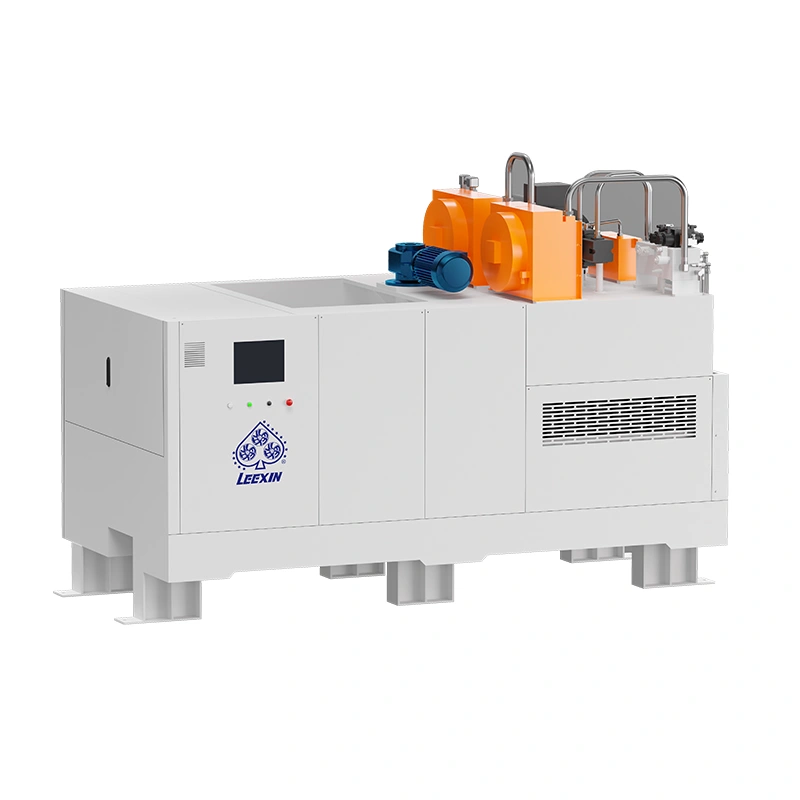
As advanced manufacturing industries continue to evolve, the use of special metals and high-performance alloys has increased significantly. Materials such as titanium alloys, nickel-based alloys, copper alloys, magnesium, and other specialty metals are widely used in aerospace, automotive, electronics, energy, and precision engineering. However, machining these materials generates large volumes of high-value metal chips and turnings that require efficient recycling.
The Special Metals Briquetting Machine has become an essential solution for handling these valuable scraps. By converting loose, contaminated metal waste into dense, reusable briquettes, it helps manufacturers reduce material loss, improve recycling efficiency, and achieve sustainability goals.
This guide provides a comprehensive overview of special metals briquetting machines, including their working principles, applications, advantages, and key selection criteria.
1. What Is a Special Metals Briquetting Machine?
A Special Metals Briquetting Machine is a hydraulic or mechanical system specifically designed to compress machining waste from special and non-ferrous metals into solid briquettes. Unlike standard briquetting equipment, these machines are engineered to handle metals with higher value, different physical properties, and stricter recycling requirements.
Special metals often have lower bulk density, higher oxidation sensitivity, or unique alloy compositions. A dedicated briquetting solution ensures that these materials are processed efficiently without contamination or excessive material loss.
Key Characteristics
- Designed for high-value and specialty metal scrap
- High compaction pressure for dense briquettes
- Oil and coolant recovery capability
- Stable and repeatable briquette quality
Because of these features, the Special Metals Briquetting Machine is widely adopted in industries where material recovery and quality control are critical.
2. Why Special Metals Require Dedicated Briquetting Solutions
Special metals differ significantly from conventional steel scrap, making standard waste handling methods inefficient.
2.1 High Material Value
Titanium, nickel alloys, and copper-based alloys are expensive raw materials. Any loss during scrap handling or remelting directly affects production costs. Briquetting minimizes loss and preserves material value.
2.2 Oxidation and Burning Loss
Loose metal chips have a large surface area exposed to air. During remelting, this leads to oxidation and burning loss. Compact briquettes reduce exposed surface area and improve melting yield.
2.3 Oil and Coolant Contamination
Machining special metals often involves expensive cutting fluids. A Special Metals Briquetting Machine can separate and recover oils and coolants, reducing waste disposal costs and supporting cleaner production.
3. How a Special Metals Briquetting Machine Works
The working principle of a Special Metals Briquetting Machine is based on controlled high-pressure compaction.
3.1 Feeding and Scrap Preparation
Special metal chips are collected from machining centers and fed into the briquetting system. Depending on material type, sorting or pre-processing may be required to avoid alloy mixing.
3.2 High-Pressure Briquetting Process
The hydraulic system applies powerful and uniform pressure to compress loose scrap into dense briquettes. During this process:
- Trapped air is removed
- Oil and moisture are expelled
- Scrap density is significantly increased
3.3 Briquette Discharge and Handling
The finished briquettes are automatically discharged and can be stored, transported, or directly sent to remelting furnaces.
This process ensures consistent briquette shape, density, and quality, which is critical for high-value alloys.
4. Key Advantages of Special Metals Briquetting Machines
Investing in a Special Metals Briquetting Machine offers multiple operational and economic benefits.
4.1 Improved Material Recovery
Dense briquettes melt more efficiently, reducing oxidation and maximizing metal recovery rates.
4.2 Higher Scrap Value
Briquetted special metals are easier to identify, store, and trade, often achieving higher recycling prices.
4.3 Reduced Storage and Transport Costs
Briquetting can reduce scrap volume by up to 90%, lowering logistics and warehousing expenses.
4.4 Enhanced Safety and Cleanliness
Loose metal chips can be sharp, flammable, or reactive. Briquettes are safer to handle and help maintain a cleaner production environment.
4.5 Environmental and Compliance Benefits
Recovering cutting fluids and reducing waste supports environmental regulations and corporate sustainability goals.
5. Typical Applications of Special Metals Briquetting Machines
Special metals briquetting machines are widely used in industries that rely on advanced materials.
5.1 Aerospace Manufacturing
- Titanium alloy machining
- Nickel-based superalloys
- Precision aerospace components
5.2 Automotive and E-Mobility
- Copper and aluminium alloy parts
- Electric motor and battery components
- Lightweight structural materials
5.3 Electronics and Electrical Industries
- Copper alloys
- Precision conductive components
- High-purity metal scrap
5.4 Energy and Industrial Equipment
- Special alloy parts for oil, gas, and power generation
- High-temperature and corrosion-resistant materials
In all these sectors, the Special Metals Briquetting Machine plays a crucial role in maximizing material reuse.
6. Types of Special Metals Briquetting Machines
Different production environments require different machine configurations.
6.1 Hydraulic Briquetting Machines
Hydraulic systems are the most common choice, offering:
- High and stable pressure
- Adjustable briquette density
- Reliable operation for continuous production
6.2 Mechanical Briquetting Machines
Mechanical designs offer faster cycle times and are suitable for specific, uniform scrap types.
6.3 Vertical vs. Horizontal Designs
- Vertical machines are space-saving and suitable for smaller workshops
- Horizontal machines provide higher throughput and better integration with automated scrap handling systems
7. How to Select the Right Special Metals Briquetting Machine
Selecting the appropriate Special Metals Briquetting Machine requires careful evaluation of production requirements.
7.1 Type of Special Metal
Different metals require different pressure levels and briquetting parameters. Alloy composition and chip size should be clearly defined.
7.2 Production Volume and Throughput
Daily scrap output determines machine capacity and automation level.
7.3 Briquette Density and Size
Higher-density briquettes are preferred for remelting and long-distance transportation. Briquette size should match furnace and handling requirements.
7.4 Energy Efficiency and Maintenance
Energy-saving hydraulic systems and durable components reduce operating costs and downtime.
8. Installation and Operation Considerations
Proper installation and operation ensure consistent briquetting performance.
8.1 Installation Guidelines
- Stable foundation and vibration control
- Proper hydraulic and electrical connections
- Integration with existing scrap collection systems
8.2 Operation Best Practices
- Avoid mixing different alloy types
- Regularly inspect hydraulic oil and filters
- Monitor briquette quality and oil recovery performance
9. Special Metals Briquetting Machine vs. Conventional Scrap Handling
A comparison highlights the value of dedicated briquetting solutions.
|
Aspect |
Loose Special Metal Scrap |
Special Metals Briquetting Machine |
|
Material Recovery |
Low |
High |
|
Storage Efficiency |
Poor |
Excellent |
|
Scrap Value |
Unstable |
Higher and consistent |
|
Safety |
Lower |
Improved |
For high-value alloys, briquetting is no longer optional—it is a strategic necessity.
10. Sustainability and Future Trends
With increasing focus on circular economy and resource efficiency, special metals recycling is becoming more important. Modern Special Metals Briquetting Machines are evolving toward:
- Higher automation
- Smart monitoring systems
- Energy-efficient hydraulic technology
These developments support long-term sustainability and cost control in advanced manufacturing.
11. Conclusion
The Special Metals Briquetting Machine is a critical solution for manufacturers handling high-value metal scrap. By converting loose special metal waste into dense, reusable briquettes, it improves recycling efficiency, reduces material loss, enhances safety, and supports environmental compliance.
For companies seeking to optimize special metal recycling processes, investing in a reliable Special Metals Briquetting Machine is a strategic decision that delivers both economic and environmental benefits.
At LEEXIN Hydraulic Machinery Co., Ltd., we specialize in the development of energy-efficient and customized briquetting solutions for special metals. With strong R&D capabilities and extensive industry experience, LEEXIN provides tailored briquetting systems designed to meet the demanding requirements of modern industrial recycling.