

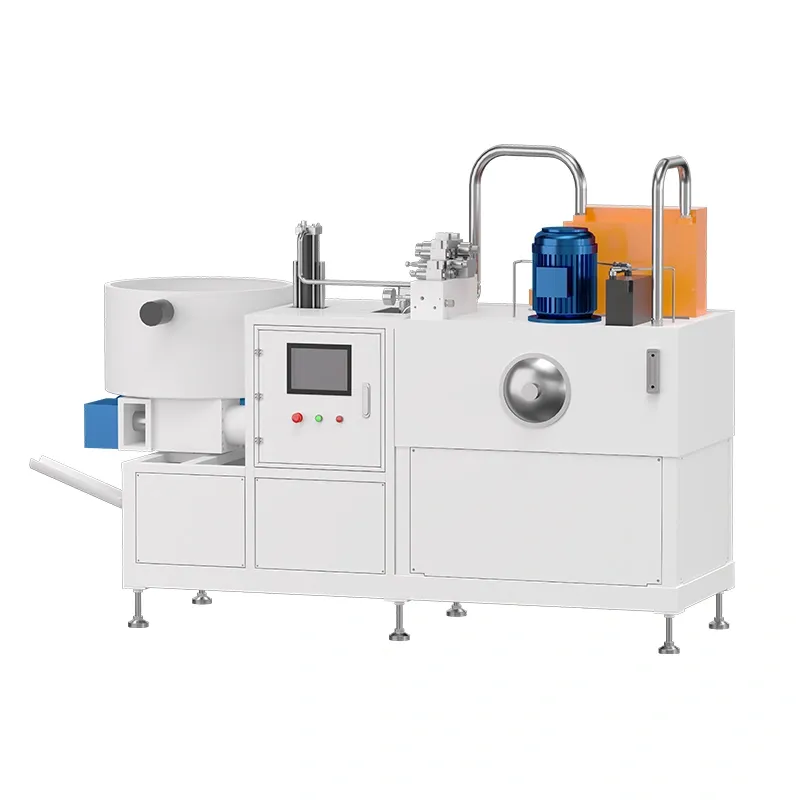
Introduction: Turning Paper Waste into Value
Paper and cardboard waste is produced in large volumes across multiple industries. Loose paper waste can be bulky, difficult to store, and expensive to transport. A Paper Briquetting Machine solves these problems by compressing paper into dense, uniform briquettes. These briquettes are easier to handle, recycle, or use as fuel. Understanding the industries that benefit most from this technology can help businesses improve efficiency, reduce costs, and promote sustainability.
1. Printing and Publishing Industry
- Printing presses and publishing houses produce large amounts of paper waste, including misprints, trimmed edges, and rejected sheets.
- Paper Briquetting Machines compress this waste into dense briquettes, reducing storage volume and disposal costs.
- Briquettes can also be recycled into new paper products or used as biomass fuel.
2. Packaging Industry
- Packaging plants generate cardboard and paperboard scrap from box and carton production.
- Loose cardboard is bulky and difficult to handle; briquetting transforms it into uniform, stackable blocks.
- These briquettes are easy to transport, store, or recycle, improving operational efficiency.
3. Paper Manufacturing and Pulp Industry
- Paper mills and pulp production facilities produce paper sludge, offcuts, and residual pulp.
- Briquetting machines handle both wet and dry residues, creating dense briquettes suitable for reuse or energy recovery.
- This helps reduce landfill disposal and recover value from waste.
4. Recycling Facilities
- Recycling centers process mixed paper waste from households, offices, and industrial sources.
- Paper Briquetting Machines compress mixed paper into uniform briquettes, making transportation to recycling plants easier and more cost-effective.
- Efficient briquetting reduces volume and supports environmentally friendly operations.
5. Biomass Fuel and Energy Industry
- Paper briquettes can serve as a renewable fuel source for industrial boilers, furnaces, and biomass energy plants.
- Facilities that generate or purchase large volumes of paper waste can convert it into eco-friendly fuel.
- This reduces reliance on fossil fuels and contributes to sustainable energy solutions.
About LEEXIN Hydraulic
LEEXIN Hydraulic specializes in Paper Briquetting Machines and energy-efficient hydraulic systems. With over 20 years of experience, LEEXIN provides machines that:
- Handle office paper, cardboard, pulp residues, and mixed paper scrap
- Produce dense, uniform briquettes suitable for recycling or fuel
- Help industries save storage space, reduce transportation costs, and improve sustainability
Our team provides customized solutions, installation, training, and maintenance support for reliable, long-term operation.
Conclusion
Paper Briquetting Machines are widely used in industries that generate large amounts of paper waste, including:
- Printing and publishing
- Packaging production
- Paper manufacturing and pulp processing
- Recycling facilities
- Biomass fuel and energy plants
By converting loose paper waste into dense briquettes, these industries benefit from:
- Reduced storage and transport challenges
- Improved recycling efficiency
- Cost savings on waste management
- Eco-friendly fuel production
- Enhanced sustainability and operational efficiency
Investing in a high-quality Paper Briquetting Machine ensures efficient waste management, reduced costs, and long-term environmental benefits.
FAQ
Q1: Which industries produce the most paper waste for briquetting?
Printing, publishing, packaging, paper manufacturing, and recycling industries.
Q2: Can paper briquettes be used as fuel?
Yes, they are suitable for industrial boilers, furnaces, and biomass energy plants.
Q3: Do recycling facilities benefit from briquetting?
Yes, briquetting reduces volume, simplifies transport, and improves recycling efficiency.
Q4: Can paper sludge be processed in briquetting machines?
Yes, both wet and dry pulp residues can be briquetted into dense blocks.
Q5: How does briquetting support sustainability?
It reduces landfill disposal, converts waste into reusable products or fuel, and promotes eco-friendly operations.