

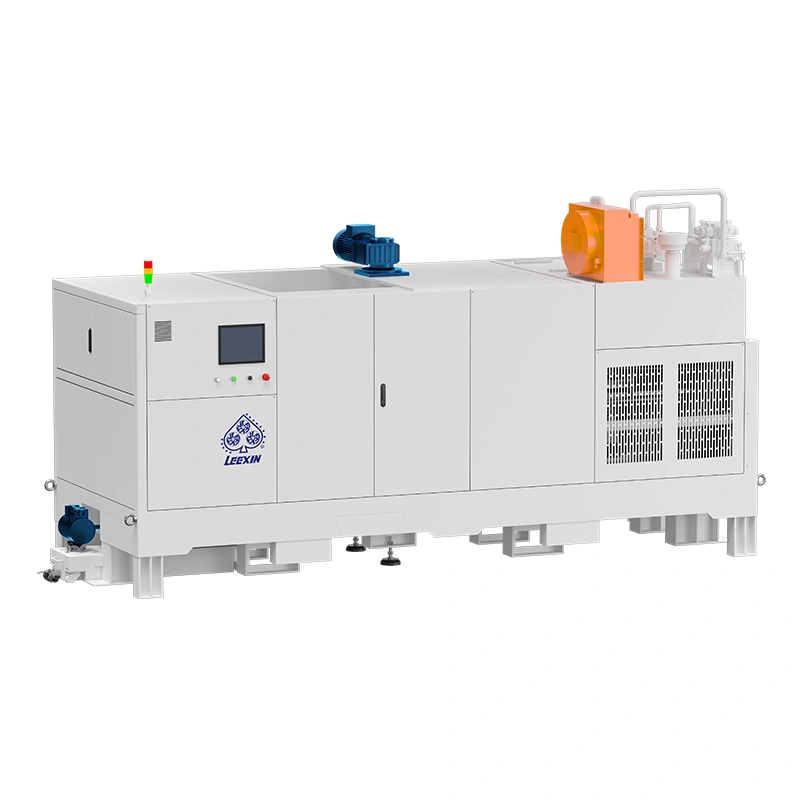
Introduction: Managing Metal Sludge Efficiently
Grinding and machining processes in metalworking industries generate large amounts of metal sludge, which contains fine particles, oils, and other residues. Handling loose sludge is challenging due to its:
- High moisture content
- Low density
- Risk of environmental pollution
A Grinding Sludge Briquetting Machine is designed to compress metal sludge into dense, manageable briquettes. This simplifies storage, transport, and recycling while reducing waste and improving operational efficiency.
How a Grinding Sludge Briquetting Machine Works
The machine uses high-pressure hydraulic systems to compress metal sludge into solid blocks. The process involves:
- Feeding Sludge: Sludge containing metal fines, oils, and residues is loaded into the machine.
- Compression: Hydraulic pistons apply high pressure to consolidate the sludge.
- Briquette Formation: The compressed sludge forms uniform, dense briquettes suitable for melting, recycling, or disposal.
- Oil Separation: Excess oils or fluids are separated and can be recovered for reuse.
The result is dense, manageable briquettes that improve recycling efficiency and reduce storage and handling issues.
Why a Grinding Sludge Briquetting Machine Is Needed
1. Efficient Recycling
Metal sludge contains valuable metals such as iron, copper, aluminum, and other alloys. Briquetting:
- Converts sludge into dense, recyclable briquettes
- Maximizes material recovery
- Reduces waste sent to landfills
This ensures cost-effective reuse of valuable resources.
2. Reduced Storage and Transportation Costs
Loose sludge is bulky and difficult to store. Briquetting reduces volume, making storage and transportation more efficient and cost-effective.
3. Safer Handling
Sludge can be hazardous due to sharp metal particles, high oil content, and dust. Briquetting:
- Consolidates the material into solid blocks
- Reduces dust and spills
- Improves workplace safety and cleanliness
4. Environmental Benefits
Processing metal sludge into briquettes:
- Minimizes industrial waste
- Reduces environmental contamination
- Allows recovery of oils and fluids for reuse
This aligns with sustainable and environmentally responsible manufacturing practices.
5. High-Density, Uniform Briquettes
Grinding Sludge Briquetting Machines produce briquettes with:
- Uniform size and density
- Reduced oxidation and contamination
- Easy handling and furnace feeding
High-quality briquettes ensure better recycling efficiency and material value.
About LEEXIN Hydraulic
LEEXIN Hydraulic specializes in Grinding Sludge Briquetting Machines and energy-saving hydraulic systems. With over 20 years of experience, LEEXIN provides machines capable of handling metal sludge from various industries, including:
- Iron and steel manufacturing
- Copper and aluminum processing
- Industrial machining and metal fabrication
Our machines help clients maximize metal recovery, reduce waste, and operate safely and efficiently.
Contact us to get a Grinding Sludge Briquetting Machine tailored to your production and recycling needs.
Conclusion
A Grinding Sludge Briquetting Machine is essential for industries producing metal sludge. Its key benefits include:
- Efficient recycling of valuable metals
- Reduced storage and transportation costs
- Safer handling of hazardous sludge
- Environmental protection through reduced waste and oil recovery
- High-density, uniform briquettes suitable for reuse or melting
Investing in a high-quality Grinding Sludge Briquetting Machine ensures efficient, cost-effective, and sustainable metal sludge management.
FAQ
Q1: What types of sludge can be processed?
Iron, copper, aluminum, and other metal sludges containing oils or residues.
Q2: How does briquetting improve recycling efficiency?
It converts loose sludge into dense, manageable briquettes that can be reused or melted efficiently.
Q3: Can oils and fluids be recovered during briquetting?
Yes, most machines separate and allow reuse of cutting fluids and oils.
Q4: Is sludge handling safer after briquetting?
Yes, solid briquettes reduce dust, spills, and sharp metal hazards.
Q5: Are the briquettes suitable for melting or recycling?
Yes, dense, uniform briquettes maintain metal integrity for reuse in furnaces or recycling.