
Introduction: Making the Right Choice
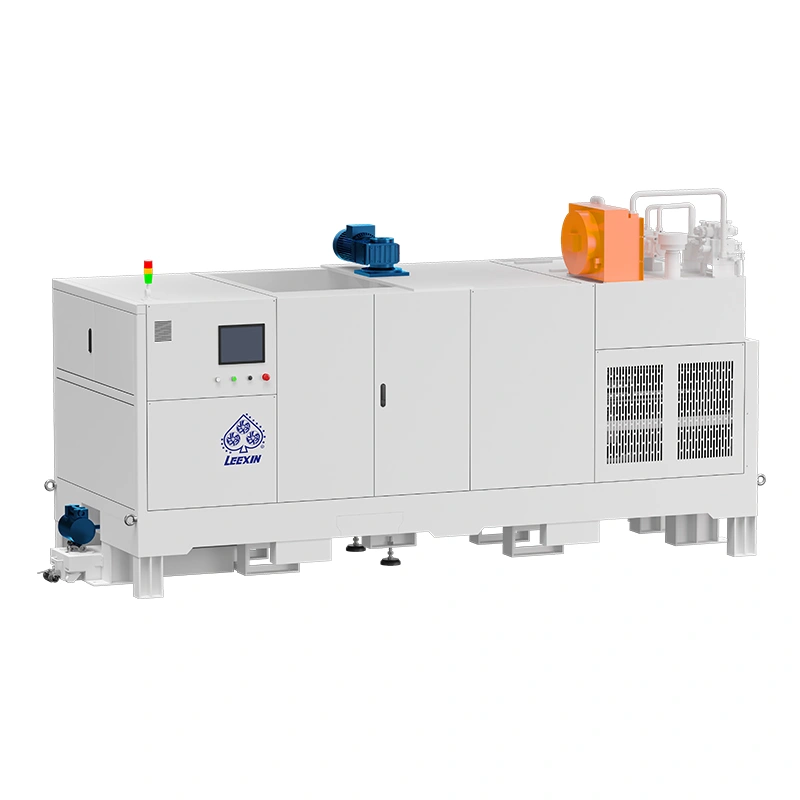
A Grinding Sludge Briquetting Machine is a vital investment for industries handling metal sludge from machining, grinding, and cutting operations. Choosing the right machine ensures efficient material recovery, safer handling, and cost-effective recycling.
Here are the key factors to consider before making your purchase.
1. Type and Characteristics of Sludge
Different facilities produce different types of sludge, such as:
- Iron, copper, aluminum, or alloy sludge
- Chips, powders, or fines
- Sludge containing oils, coolants, or other fluids
Assess the characteristics of your sludge to choose a machine capable of handling your specific material efficiently.
2. Machine Capacity and Output
Consider your production and recycling needs:
- Daily volume of sludge to be processed
- Desired briquette size and density
- Peak processing requirements
Choosing a machine with the appropriate capacity ensures smooth operation and avoids bottlenecks.
3. Hydraulic Pressure and Briquette Density
Hydraulic pressure determines the quality of briquettes:
- High pressure produces dense, oxidation-resistant briquettes
- Uniform density ensures easier handling, storage, and furnace feeding
- Low pressure may result in loose or inconsistent briquettes
Ensure the machine provides sufficient hydraulic force for your sludge type.
4. Automation and Control Features
Automation can improve efficiency and reduce labor costs:
- Semi-automatic or fully automatic operation
- Programmable controls for consistent briquette quality
- Safety interlocks to prevent accidents
Machines with advanced controls provide higher productivity and safer operation.
5. Machine Quality and Durability
Metal sludge processing is demanding. Look for:
- ISO-certified components
- Wear-resistant parts and strong frame construction
- Reliable hydraulic systems for continuous operation
High-quality machines reduce downtime and maintenance costs.
6. Oil and Fluid Recovery Capabilities
Sludge often contains residual oils and cutting fluids. Machines that can separate and recover these fluids offer:
- Reduced waste disposal costs
- Reuse of valuable cutting fluids
- Environmental compliance
7. Supplier Reputation and Support
Choose a supplier with:
- Proven experience in briquetting machines
- Case studies or successful project references
- Comprehensive after-sales support, including installation, training, and maintenance
A reliable supplier ensures long-term, trouble-free operation.
About LEEXIN Hydraulic
LEEXIN Hydraulic specializes in Grinding Sludge Briquetting Machines and energy-saving hydraulic systems. With over 20 years of experience, LEEXIN provides machines designed to handle various sludge types efficiently.
Our services include:
- Customized solutions based on sludge characteristics and volume
- Installation, training, and maintenance support
- High-quality, durable machines for long-term operation
Contact us to get a Grinding Sludge Briquetting Machine tailored to your facility’s needs.
Conclusion
When choosing a Grinding Sludge Briquetting Machine, consider these factors:
- Type and characteristics of sludge
- Machine capacity and output requirements
- Hydraulic pressure and briquette density
- Automation and control features
- Machine quality and durability
- Oil and fluid recovery capabilities
- Supplier reputation and after-sales support
Careful consideration ensures efficient, cost-effective, and safe sludge management, while maximizing material recovery and supporting sustainable operations.
FAQ
Q1: What types of sludge can these machines process?
Iron, copper, aluminum, alloy sludge, powders, chips, and sludge with fluids can all be processed.
Q2: How important is hydraulic pressure?
High pressure ensures dense, uniform, and oxidation-resistant briquettes.
Q3: Should I consider automation?
Yes, automation improves efficiency, consistency, and safety.
Q4: Can the machine recover oils and cutting fluids?
Yes, advanced machines separate and recover fluids during briquetting.
Q5: How can I verify a supplier’s reliability?
Check industry experience, case studies, references, and after-sales support.