

Introduction: Managing Iron Scrap Effectively
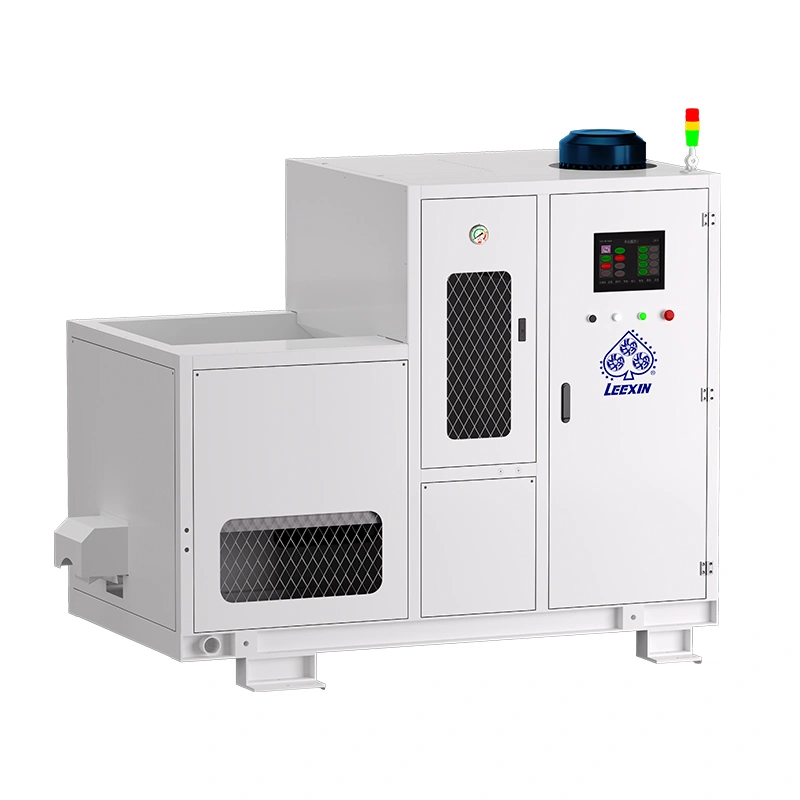
Iron scrap is generated in various forms during manufacturing and metalworking processes. Loose scrap is often bulky, difficult to store, and prone to oxidation. An Iron Briquetting Machine transforms different types of iron waste into dense, uniform briquettes, making handling, storage, and recycling much easier.
1. Iron Chips and Turnings
Machining processes like milling, turning, and drilling produce iron chips and turnings. These loose scraps:
- Are lightweight and occupy a large volume
- Are prone to oxidation if stored untreated
- Pose handling challenges
An Iron Briquetting Machine compresses these chips into compact briquettes, reducing space and preserving metal quality.
2. Iron Powders and Fines
Grinding and finishing operations generate fine iron powders. Loose powders:
- Can be lost during storage or transport
- Pose dust hazards
- Are difficult to feed into furnaces
Briquetting converts powders into dense blocks suitable for recycling, reducing waste and improving safety.
3. Iron Sludge and Residues
Industrial cutting fluids and coolants often create iron-rich sludge. These materials:
- Are sticky and hard to handle
- Contain valuable metal content
- Pose environmental disposal issues
Iron Briquetting Machines compress sludge into solid briquettes, recovering valuable metal and reducing disposal problems.
4. Mixed Iron Scrap
Some facilities generate mixed iron waste containing chips, powders, and sludge. Advanced Iron Briquetting Machines are capable of processing mixed materials, producing uniform briquettes without compromising quality or density.
5. Industrial Offcuts and Workshop Scrap
Iron offcuts and residues from workshops, fabrication, or electrical manufacturing include:
- Wire trimmings
- Plate and sheet offcuts
- Small components and turnings
These can also be briquetted efficiently, simplifying storage, handling, and transport.
About LEEXIN Hydraulic
LEEXIN Hydraulic specializes in Iron Briquetting Machines and energy-saving hydraulic systems. With over 20 years of experience, LEEXIN provides machines capable of processing all types of iron waste, including chips, powders, sludge, and mixed scrap.
Our machines help industries:
- Maximize iron recovery
- Reduce storage and transportation costs
- Improve workplace safety
- Facilitate recycling and reuse
Contact us to get an Iron Briquetting Machine designed for your facility and iron scrap types.
Conclusion
Iron Briquetting Machines can process a wide variety of iron waste, including:
- Chips and turnings from machining
- Grinding powders and fines
- Sludge from cutting fluids and coolants
- Mixed scrap combining chips, powders, and sludge
- Workshop and industrial offcuts
Briquetting these materials produces dense, uniform briquettes, improving recycling efficiency, reducing costs, and supporting safer and more environmentally responsible operations.
FAQ
Q1: Can iron chips and turnings be processed?
Yes, they are compressed into dense, manageable briquettes.
Q2: Is iron powder suitable for briquetting?
Yes, powders are consolidated into solid blocks for easier handling and recycling.
Q3: Can iron sludge be processed?
Yes, sludge is compressed into briquettes, recovering valuable metal.
Q4: Can mixed scrap be briquetted?
Yes, high-quality machines handle chips, powders, and sludge together.
Q5: Are the briquettes suitable for melting or resale?
Yes, dense, uniform briquettes maintain metal integrity for reuse or remelting.