

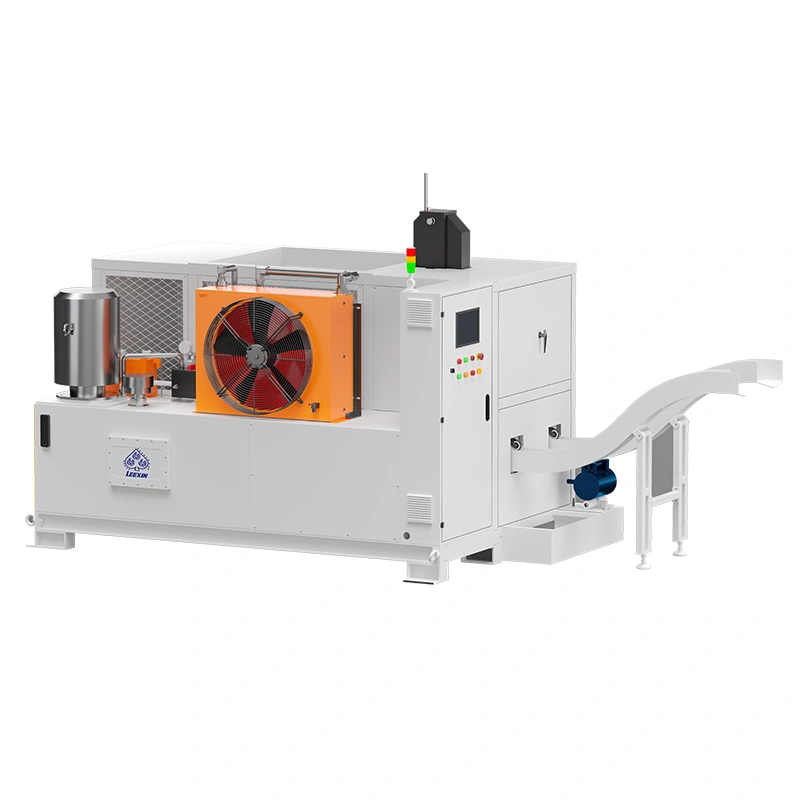
Copper is one of the most widely used non-ferrous metals in modern industry. Thanks to its excellent electrical conductivity, thermal performance, corrosion resistance, and recyclability, copper is essential in sectors such as electrical equipment, electronics, automotive manufacturing, HVAC systems, and renewable energy.
However, copper machining and processing generate a large amount of scrap in the form of chips, turnings, shavings, and fine particles. Managing this scrap efficiently is a constant challenge for manufacturers. A Copper Briquetting Machine offers a proven and cost-effective solution by compressing loose copper scrap into dense, reusable briquettes.
This guide provides a comprehensive overview of copper briquetting technology, explaining how it works, why it matters, and how manufacturers can benefit from adopting the right system.
1. Understanding Copper Scrap in Industrial Production
Copper scrap is valuable, but its physical characteristics often make handling inefficient without proper processing.
1.1 Common Types of Copper Scrap
During machining and fabrication, copper waste typically appears as:
- CNC machining chips and turnings
- Milling and drilling shavings
- Fine copper dust mixed with cutting fluids
- Small offcuts and trimming waste
Although copper has high recycling value, loose scrap is difficult to store, transport, and remelt efficiently.
1.2 Problems Caused by Loose Copper Scrap
Without compaction, manufacturers face several issues:
- Low bulk density leading to high storage and logistics costs
- Loss of cutting fluids and valuable copper particles
- Increased oxidation during melting
- Safety and housekeeping challenges on the shop floor
A Copper Briquetting Machine directly addresses these issues by transforming loose scrap into compact, uniform briquettes.
2. What Is a Copper Briquetting Machine?
A Copper Briquetting Machine is an industrial hydraulic system designed to compress copper chips and shavings into solid briquettes under high pressure. The process does not require binders or additives, ensuring the purity of the copper material.
The resulting briquettes are:
- Dense and easy to handle
- Suitable for direct remelting
- Convenient for storage and transportation
- Preferred by recyclers and smelters
Compared with traditional scrap handling methods, a Copper Briquetting Machine significantly improves both operational efficiency and material value.
3. How a Copper Briquetting Machine Works
Although machine designs vary, the working process generally follows a clear and reliable sequence.
3.1 Scrap Feeding
Copper scrap is collected from machining centers and fed into the briquetting chamber. This can be done manually or through automated conveyors connected to CNC machines.
3.2 Hydraulic Compression
A high-pressure hydraulic system compresses the copper scrap inside a mold. During compression:
- Air gaps are eliminated
- Cutting fluids are squeezed out
- Copper particles bond tightly together
3.3 Briquette Ejection
Once the target pressure and density are reached, the formed briquette is automatically discharged. Finished briquettes are uniform in size and shape, making them easy to stack and transport.
A well-designed Copper Briquetting Machine ensures stable pressure control and consistent briquette quality.
4. Key Benefits of Using a Copper Briquetting Machine
Investing in copper briquetting equipment delivers benefits across production, logistics, and sustainability.
4.1 Higher Recycling Efficiency
Dense briquettes melt faster and more evenly than loose chips, reducing oxidation and metal loss during remelting.
4.2 Reduced Storage and Transport Costs
By reducing scrap volume by up to 90%, briquetting minimizes warehouse space requirements and lowers transportation expenses.
4.3 Improved Workplace Safety
Compact briquettes reduce clutter, eliminate loose sharp chips, and improve overall shop-floor cleanliness.
4.4 Increased Scrap Value
Smelters and recycling companies prefer briquetted copper due to its higher density and cleanliness, often paying better prices.
A Copper Briquetting Machine turns copper waste into a controlled, valuable raw material rather than a disposal problem.
5. Applications Across Key Industries
Copper briquetting systems are widely used in industries where copper machining is intensive.
5.1 Electrical and Electronics Manufacturing
Production of cables, connectors, motors, and transformers generates large volumes of copper scrap that benefit from on-site briquetting.
5.2 Automotive and EV Manufacturing
Copper is critical in wiring harnesses, electric motors, and battery systems. Briquetting helps manage high-value scrap efficiently.
5.3 HVAC and Refrigeration Industry
Copper tubes and fittings create significant machining waste that can be recycled internally through briquetting.
5.4 Precision CNC Machining Workshops
Job shops processing copper components gain better scrap control and improved profitability with a Copper Briquetting Machine.
6. Technical Factors to Consider When Selecting a Copper Briquetting Machine
Not all briquetting machines are suitable for copper. Several technical aspects should be carefully evaluated.
6.1 Compression Force and Briquette Density
Copper requires sufficient pressure to achieve high-density briquettes without cracking or spring-back.
6.2 Hydraulic System Design
A stable and energy-efficient hydraulic system ensures continuous operation and consistent output quality.
6.3 Cutting Fluid Recovery
Advanced machines allow recovered cutting oils to be collected and reused, reducing waste and operating costs.
6.4 Automation and System Integration
Modern facilities often require automated feeding, briquette discharge, and compatibility with existing CNC scrap conveyors.
Choosing the right Copper Briquetting Machine ensures long-term reliability and return on investment.
7. Environmental and Sustainability Advantages
Copper briquetting supports both economic and environmental goals.
7.1 Energy Savings
Recycling briquetted copper consumes significantly less energy than producing copper from raw ore.
7.2 Waste Reduction
Briquetting transforms loose waste into reusable material, supporting circular manufacturing models.
7.3 Compliance With Environmental Regulations
Reduced oil leakage and cleaner scrap handling help manufacturers meet increasingly strict environmental standards.
A Copper Briquetting Machine is not just a recycling tool, but an important part of sustainable manufacturing.
8. Best Practices for Operating Copper Briquetting Equipment
To maximize performance and equipment lifespan, manufacturers should follow these best practices:
- Separate copper scrap by grade and alloy
- Avoid mixing copper with other metals
- Regularly maintain hydraulic seals and cylinders
- Monitor briquette density and oil content
- Train operators on safe and efficient operation
These measures ensure consistent briquette quality and stable long-term operation.
9. Future Trends in Copper Briquetting Technology
As manufacturing becomes smarter and more automated, copper briquetting technology continues to evolve.
- Integration with automated machining lines
- Energy-saving hydraulic power units
- Real-time monitoring of pressure and output
- Customized briquette sizes for specific smelting processes
A modern Copper Briquetting Machine is increasingly viewed as a strategic asset rather than auxiliary equipment.
10. Working With an Experienced Manufacturer
The success of a briquetting project depends heavily on equipment quality and engineering expertise. Manufacturers with long-term experience in hydraulic systems and customized solutions can deliver more reliable and efficient machines.
LEEXIN Hydraulic Machinery, with decades of focus on hydraulic intelligent manufacturing and customized briquetting systems, provides tailored Copper Briquetting Machine solutions designed for stable performance, energy efficiency, and long service life. By working closely with customers, LEEXIN helps manufacturers improve copper scrap recycling efficiency while supporting sustainability and cost-control goals.