

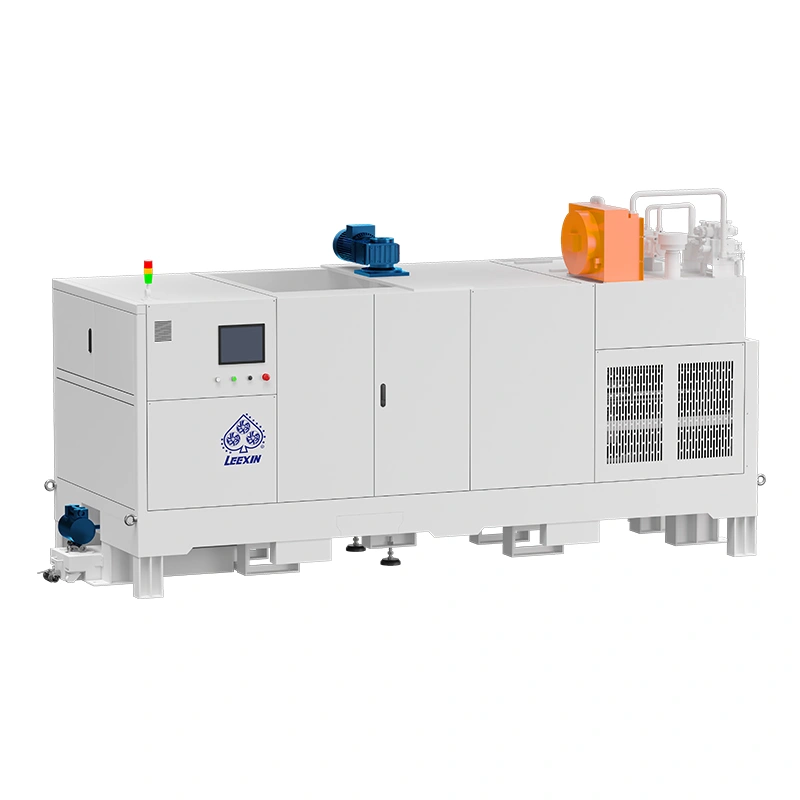
Grinding processes are widely used in modern manufacturing to achieve high-precision surfaces and tight dimensional tolerances. Industries such as automotive, aerospace, bearing manufacturing, toolmaking, and heavy machinery rely heavily on grinding operations. However, these processes generate a large amount of grinding sludge—a mixture of fine metal particles, abrasive residues, and cutting fluids.
Managing grinding sludge is one of the most challenging aspects of metalworking waste handling. Loose sludge is messy, difficult to transport, expensive to dispose of, and often classified as hazardous waste. A Grinding Sludge Briquetting Machine provides an effective and sustainable solution by converting wet sludge into dense, solid briquettes that are easier to handle, recycle, and reuse.
This guide explains what grinding sludge is, how briquetting technology works, and why a Grinding Sludge Briquetting Machine has become essential equipment in modern machining facilities.
1. What Is Grinding Sludge and Why It Is a Problem
Grinding sludge is not the same as ordinary metal chips. Its unique composition creates several technical and environmental challenges.
1.1 Composition of Grinding Sludge
Grinding sludge typically consists of:
- Ultra-fine metal particles (steel, cast iron, stainless steel, or special alloys)
- Abrasive grains from grinding wheels
- Cutting fluids and lubricants
- Moisture and emulsions
Because of this mixture, grinding sludge has very low bulk density and high fluid content.
1.2 Challenges of Traditional Sludge Disposal
Without proper treatment, grinding sludge causes multiple problems:
- High disposal costs due to hazardous waste classification
- Difficulty in separating metal from fluids
- Loss of valuable metal material
- Environmental risks from oil leakage and contamination
A Grinding Sludge Briquetting Machine addresses these issues by mechanically separating fluids and compacting the remaining solids into reusable briquettes.
2. What Is a Grinding Sludge Briquetting Machine?
A Grinding Sludge Briquetting Machine is a specialized hydraulic system designed to compress wet grinding sludge under extremely high pressure. Unlike conventional briquetting machines for dry chips, this equipment is engineered to handle high moisture content and ultra-fine particles.
The machine performs two key functions simultaneously:
- Mechanical dewatering of grinding sludge
- High-density briquette formation
The output briquettes are stable, low-moisture, and suitable for remelting or recycling.
3. How a Grinding Sludge Briquetting Machine Works
Although designs vary by manufacturer, the working principle follows a consistent process.
3.1 Sludge Feeding and Pre-Processing
Grinding sludge is fed into the briquetting chamber manually or through automated pumping and conveying systems. Some systems include magnetic separation to remove non-metallic contaminants before compression.
3.2 High-Pressure Hydraulic Compression
Powerful hydraulic cylinders apply sustained pressure to the sludge. During this stage:
- Cutting fluids and emulsions are squeezed out
- Metal particles are compacted into a solid mass
- Briquette density increases significantly
The expelled fluids can be collected, filtered, and reused in the grinding process.
3.3 Briquette Discharge
Once the required density is achieved, the finished briquette is automatically ejected. The briquettes are uniform, easy to handle, and safe to store.
A well-designed Grinding Sludge Briquetting Machine ensures consistent moisture reduction and stable briquette quality.
4. Key Benefits of Using a Grinding Sludge Briquetting Machine
Implementing grinding sludge briquetting technology delivers benefits across cost control, recycling efficiency, and environmental compliance.
4.1 Significant Volume Reduction
Grinding sludge volume can be reduced by up to 80–90%, dramatically lowering storage and transportation requirements.
4.2 Recovery of Valuable Cutting Fluids
Recovered oils and emulsions can be reused, reducing coolant consumption and operating costs.
4.3 Improved Metal Recycling Efficiency
Dense briquettes melt more efficiently than loose sludge, minimizing oxidation and metal loss during remelting.
4.4 Reduced Waste Disposal Costs
By converting sludge into recyclable briquettes, companies can reduce or eliminate hazardous waste disposal fees.
A Grinding Sludge Briquetting Machine transforms a costly waste stream into a recoverable resource.
5. Typical Industrial Applications
Grinding sludge briquetting systems are widely used across multiple industries.
5.1 Automotive Manufacturing
Engine components, transmission parts, and bearings generate large volumes of grinding sludge that require efficient treatment.
5.2 Aerospace and Precision Engineering
High-value alloys and strict environmental requirements make sludge briquetting particularly valuable in aerospace production.
5.3 Bearing and Gear Production
Continuous grinding operations create fine sludge that benefits greatly from on-site briquetting and fluid recovery.
5.4 Tool and Die Manufacturing
Precision grinding produces sludge that is difficult to recycle without a Grinding Sludge Briquetting Machine.
6. Technical Factors to Consider When Selecting a Machine
Choosing the right equipment is critical for long-term performance and return on investment.
6.1 Compression Pressure Capability
Grinding sludge requires higher and more stable pressure compared to dry metal chips to achieve proper dewatering.
6.2 Hydraulic System Reliability
A robust hydraulic system ensures continuous operation under high load conditions.
6.3 Fluid Separation and Filtration
Efficient fluid recovery systems improve coolant reuse and reduce environmental impact.
6.4 Automation and Integration
Modern systems can be integrated with centralized coolant systems and automated sludge collection lines.
Selecting a Grinding Sludge Briquetting Machine tailored to your sludge characteristics ensures consistent results.
7. Environmental and Regulatory Advantages
Environmental compliance is a major driver behind sludge briquetting adoption.
7.1 Reduced Environmental Risk
Solid briquettes minimize oil leakage and contamination risks during storage and transport.
7.2 Lower Carbon Footprint
Recycling briquetted metal consumes far less energy than producing metal from raw materials.
7.3 Compliance With Waste Management Regulations
Briquetting helps manufacturers meet strict regulations regarding hazardous waste handling and disposal.
A Grinding Sludge Briquetting Machine supports both sustainability goals and regulatory compliance.
8. Best Practices for Operating Grinding Sludge Briquetting Systems
To achieve optimal performance, manufacturers should follow these operational guidelines:
- Separate grinding sludge by material type
- Avoid mixing sludge with large solid chips
- Regularly maintain hydraulic seals and filters
- Monitor moisture content and briquette density
- Train operators on safe handling and maintenance
These practices ensure consistent output quality and extended equipment lifespan.
9. Future Trends in Grinding Sludge Briquetting Technology
As manufacturing becomes more automated and environmentally focused, sludge briquetting technology continues to evolve.
- Higher automation and unmanned operation
- Energy-saving hydraulic power units
- Integration with smart factory monitoring systems
- Customized briquette sizes for specific furnaces
The Grinding Sludge Briquetting Machine is increasingly viewed as a strategic investment rather than auxiliary equipment.
10. Partnering With an Experienced Manufacturer
The performance of a grinding sludge briquetting system depends on engineering expertise, hydraulic reliability, and customization capability.
LEEXIN Hydraulic Machinery, with decades of experience in hydraulic intelligent manufacturing and customized briquetting solutions, provides Grinding Sludge Briquetting Machine systems designed for high pressure, stable operation, and efficient fluid recovery. By working closely with customers, LEEXIN helps manufacturers reduce waste disposal costs, recover valuable materials, and achieve sustainable production goals.