

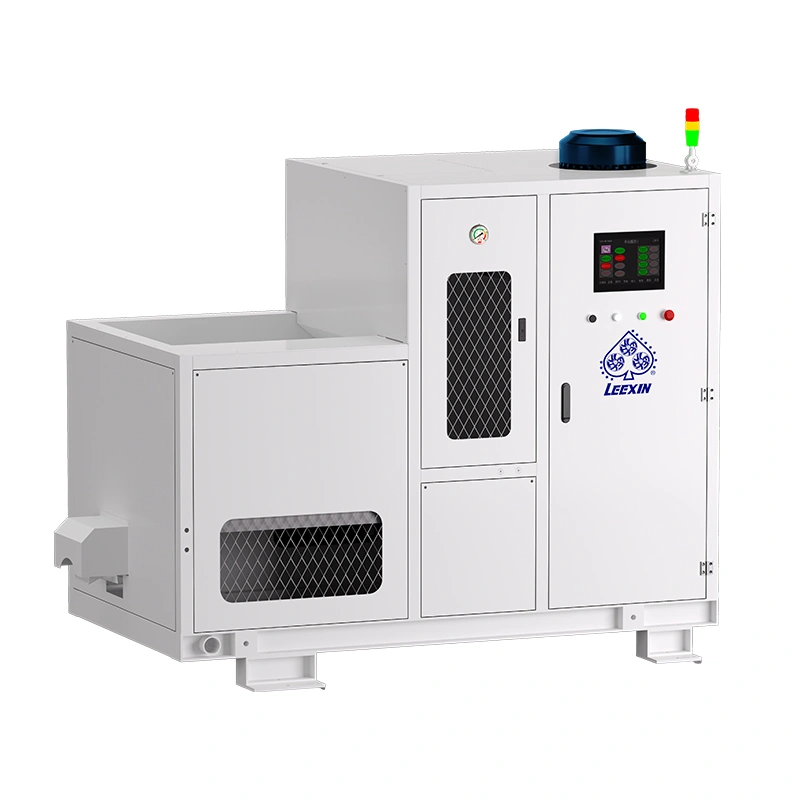
Iron is one of the most widely used metals in industrial production due to its excellent strength, durability, and versatility. Industries such as automotive, construction, heavy machinery, steel fabrication, and foundries rely heavily on iron components. However, machining and fabrication processes generate a large amount of iron scrap, including turnings, chips, shavings, and small offcuts. Proper handling and recycling of this scrap is critical to operational efficiency, cost control, and environmental compliance.
A Iron Briquetting Machine is an industrial solution designed to convert loose iron scrap into compact, dense briquettes. These briquettes are easier to transport, store, and remelt, significantly improving material recovery rates and reducing waste disposal costs. This guide provides an in-depth overview of iron briquetting technology, its applications, working principles, benefits, and key considerations for selecting the right equipment.
1. Understanding Iron Scrap and Its Challenges
Iron scrap comes in various forms depending on the machining process and production environment. Managing it effectively requires understanding its properties and challenges.
1.1 Types of Iron Scrap
- CNC machining turnings and chips: Produced in machining centers, mills, and lathes.
- Stamping and shearing shavings: Generated from sheet metal processing.
- Grinding and trimming waste: Fine particles and dust from grinding operations.
- Casting offcuts: Small iron pieces from foundry processes.
1.2 Challenges with Loose Iron Scrap
Handling loose iron scrap presents multiple challenges:
- Low bulk density: Loose scrap occupies large volumes, increasing storage and transport costs.
- Oxidation and rust formation: Iron chips are prone to corrosion, reducing material value.
- Difficult transport: Loose or wet scrap is heavy to handle and may create safety hazards.
- Contamination risk: Oils, coolants, and foreign metals can reduce scrap quality.
A Iron Briquetting Machine addresses these issues by converting loose scrap into uniform, dense briquettes.
2. What Is an Iron Briquetting Machine?
An Iron Briquetting Machine is a specialized hydraulic or mechanical system that compresses iron scrap into solid briquettes. Unlike general-purpose compactors, machines designed for iron scrap handle high-density material and can manage residual oils or coolants.
The machine performs two main functions:
- Dehydration and fluid separation: Removes cutting fluids or lubricants from scrap.
- Compression into briquettes: Produces dense, uniform blocks suitable for remelting or resale.
The resulting briquettes are easier to store, safer to handle, and retain maximum material value.
3. How an Iron Briquetting Machine Works
The operation of an Iron Briquetting Machine involves several key stages.
3.1 Feeding and Preprocessing
Iron scrap is collected from machining centers, stamping lines, or foundries. Some systems include magnetic or screening separation to remove contaminants before compression.
3.2 High-Pressure Compression
Hydraulic cylinders or mechanical presses apply extreme pressure to the scrap. During this process:
- Air gaps are eliminated
- Scrap volume is reduced significantly
- Residual oils or fluids are expelled
3.3 Briquette Formation and Discharge
Once compressed to the target density, the briquette is ejected automatically. Finished briquettes have consistent size, shape, and density, allowing for easy stacking, storage, and transportation.
A well-designed Iron Briquetting Machine ensures consistent output quality, essential for downstream melting efficiency.
4. Advantages of Using an Iron Briquetting Machine
Implementing a briquetting solution provides multiple operational, economic, and environmental benefits.
4.1 Increased Material Recovery
Dense briquettes melt more efficiently than loose scrap, reducing oxidation and material loss during remelting.
4.2 Reduced Storage and Transport Costs
Volume reduction of up to 80–90% lowers warehouse and transportation expenses.
4.3 Improved Workplace Safety
Compact, uniform briquettes reduce sharp edges, slipping hazards, and messy scrap accumulation.
4.4 Higher Scrap Value
Smelters and recyclers prefer uniform briquettes, often paying premium prices compared to loose scrap.
4.5 Environmental and Sustainability Benefits
- Minimizes hazardous waste disposal
- Supports circular manufacturing by recovering valuable iron
- Reduces oil and coolant waste
A Iron Briquetting Machine turns scrap management from a cost center into a strategic efficiency tool.
5. Typical Applications
Iron briquetting machines are widely used in industries where iron machining and fabrication are intensive.
5.1 Steel Fabrication Shops
Large volumes of turnings and shavings from steel cutting, drilling, and milling benefit from briquetting.
5.2 Automotive Industry
Engine blocks, chassis parts, and transmission components generate high-density scrap suitable for briquetting.
5.3 Heavy Machinery Manufacturing
Industrial equipment production produces substantial iron waste that requires efficient recovery.
5.4 Foundries and Casting Operations
Iron offcuts and slag from casting operations can be briquetted for reuse in furnaces.
6. Selection Criteria for an Iron Briquetting Machine
Choosing the right briquetting machine depends on several technical and operational factors.
6.1 Compression Force
The machine must provide sufficient pressure to achieve high-density briquettes without excessive wear.
6.2 Hydraulic or Mechanical System
Hydraulic systems offer stable, adjustable pressure, while mechanical presses may provide faster cycle times.
6.3 Capacity and Throughput
Daily scrap output determines machine size, feed rate, and automation level.
6.4 Oil and Coolant Recovery
Efficient recovery systems reduce costs and environmental impact.
6.5 Integration and Automation
Modern systems can be connected to conveyors, CNC machines, and coolant systems for seamless operation.
Selecting the right Iron Briquetting Machine ensures consistent performance and maximum return on investment.
7. Operational Best Practices
To maximize performance and longevity:
- Separate scrap by iron grade or alloy
- Avoid mixing iron with other metals
- Maintain hydraulic cylinders, seals, and filters regularly
- Monitor briquette density and quality
- Train operators in safe handling and routine maintenance
8. Environmental and Regulatory Advantages
Using an Iron Briquetting Machine supports sustainable manufacturing:
- Volume reduction: Less storage space and lower transportation footprint
- Waste management compliance: Facilitates adherence to environmental regulations
- Energy efficiency: Recycling briquetted scrap uses less energy than producing iron from ore
- Oil and fluid recovery: Reusable cutting fluids reduce chemical waste
9. Future Trends
As industrial recycling evolves, iron briquetting technology is becoming smarter and more automated:
- Integration with Industry 4.0 and IoT monitoring
- Energy-efficient hydraulic systems
- Automated feeding and discharge
- Custom briquette shapes for specific furnace requirements
A modern Iron Briquetting Machine is increasingly seen as a strategic investment rather than simple scrap handling equipment.
10. Partnering With a Trusted Manufacturer
The performance and reliability of a briquetting system depend on engineering expertise and equipment quality. LEEXIN Hydraulic Machinery specializes in designing and manufacturing customized Iron Briquetting Machines. With decades of experience in hydraulic intelligent manufacturing and energy-efficient solutions, LEEXIN provides systems that ensure consistent briquette quality, safe operation, and maximum material recovery. By partnering with LEEXIN, manufacturers can reduce costs, improve scrap management efficiency, and achieve sustainable production goals.