

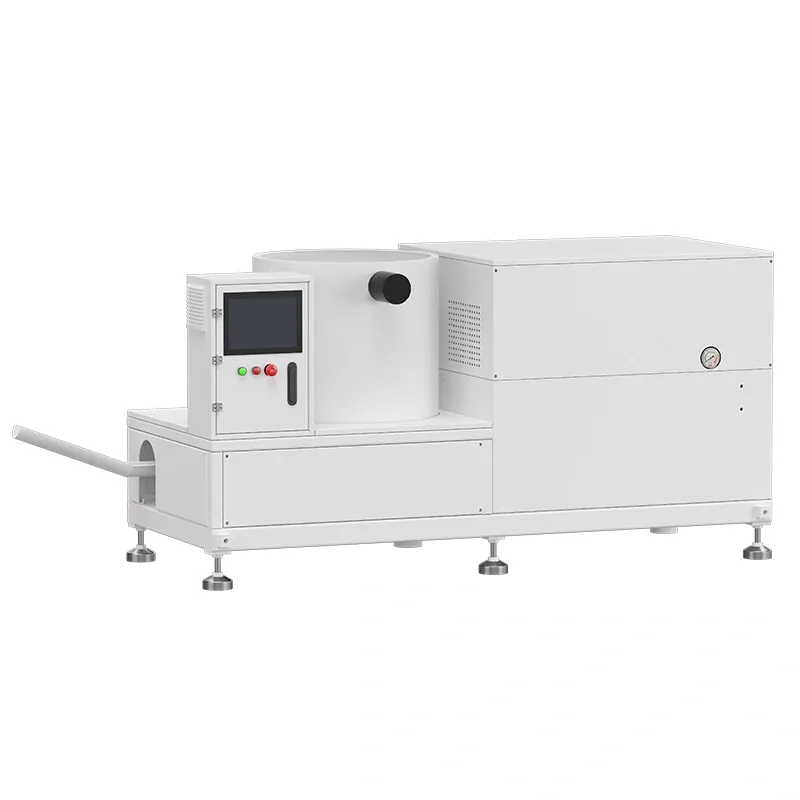
Wood waste is an inevitable byproduct in many industries, including sawmills, furniture manufacturing, carpentry, and biomass energy production. Sawdust, wood shavings, and wood chips often accumulate in large quantities, creating storage challenges, waste disposal costs, and environmental concerns. A Wood Briquetting Machine provides an effective solution by converting loose wood residues into dense, uniform briquettes. These briquettes can be used as fuel, raw material for pellet production, or for easier transportation and storage.
This guide explores the technology, benefits, applications, and operational considerations of wood briquetting systems, helping businesses optimize waste management and maximize the value of wood residues.
1. Understanding Wood Waste and Its Challenges
Before investing in a briquetting system, it is important to understand the characteristics of wood waste and why conventional disposal is inefficient.
1.1 Types of Wood Waste
- Sawdust: Generated from cutting, planing, and sanding operations.
- Wood shavings: Produced by turning, carving, or molding processes.
- Wood chips: Obtained from trimming, logging, or chipping operations.
- Low-grade offcuts: Scrap pieces unsuitable for primary products.
1.2 Challenges of Handling Loose Wood Waste
Loose wood waste presents multiple operational issues:
- Low bulk density leads to high storage requirements
- Difficult to transport efficiently
- Risk of dust accumulation and fire hazards
- Limited recycling or resale value without processing
A Wood Briquetting Machine addresses these challenges by compressing loose residues into solid, dense briquettes.
2. What Is a Wood Briquetting Machine?
A Wood Briquetting Machine is an industrial machine designed to compress wood residues under high pressure. The briquettes formed have a uniform size and density, making them easier to store, transport, and use as fuel or raw material.
Key features of a wood briquetting system include:
- Hydraulic or mechanical compression
- Uniform briquette formation without binders
- Integration with conveyors, dryers, or shredders for optimized processing
Unlike loose wood waste, briquettes generated by a Wood Briquetting Machine are clean, compact, and ready for industrial or domestic applications.
3. How a Wood Briquetting Machine Works
Wood briquetting involves several stages, each critical for producing high-quality briquettes.
3.1 Preprocessing
Wood residues are shredded or ground to uniform particle sizes. Moisture content is adjusted to around 8–12% for optimal briquetting performance.
3.2 Feeding
Prepared wood material is fed into the briquetting chamber via conveyor belts or hoppers. Automated systems can manage large-scale operations with minimal manual handling.
3.3 Compression
Hydraulic or mechanical systems apply high pressure to compress the wood particles. During this process:
- Loose air gaps are eliminated
- Fibers bind naturally due to lignin softening under heat and pressure
- Briquettes gain high density and structural integrity
3.4 Briquette Discharge
Finished briquettes are automatically ejected and can be cooled, stored, or transported. The uniform size and density allow for efficient burning or further processing.
A properly designed Wood Briquetting Machine ensures consistent briquette quality and optimal energy content.
4. Benefits of Using a Wood Briquetting Machine
Investing in wood briquetting technology provides operational, economic, and environmental advantages.
4.1 Volume Reduction
Loose wood waste can be reduced by up to 80–90%, freeing storage space and simplifying handling.
4.2 Increased Value
Briquettes can be sold as biomass fuel or raw material for pellet production, generating additional revenue.
4.3 Safer and Cleaner Workplace
Compacting loose sawdust and shavings minimizes dust, fire hazards, and general workplace clutter.
4.4 Energy Efficiency
High-density briquettes burn longer and more evenly than loose residues, making them an efficient fuel source.
4.5 Environmental Sustainability
Briquetting wood waste supports circular manufacturing, reduces landfill use, and lowers carbon emissions from wood disposal.
A Wood Briquetting Machine transforms waste management from a cost burden into an opportunity for recycling and energy generation.
5. Applications of Wood Briquetting Machines
Wood briquetting systems are used across various industries where wood waste is generated.
5.1 Sawmills and Lumber Production
Sawdust and offcuts are efficiently compressed into uniform briquettes for fuel or resale.
5.2 Furniture Manufacturing
Shavings and trimming waste from furniture production are collected and briquetted for biomass energy or industrial use.
5.3 Biomass Power Plants
Wood briquettes provide a high-energy, renewable fuel source suitable for boilers, furnaces, and combined heat and power systems.
5.4 Woodworking Workshops
Small- and medium-sized workshops can manage wood waste efficiently, reducing disposal costs and improving sustainability.
6. Key Considerations for Selecting a Wood Briquetting Machine
Selecting the right equipment requires careful evaluation of technical and operational factors.
6.1 Compression Pressure
High pressure ensures the production of dense, uniform briquettes with strong structural integrity.
6.2 Machine Capacity
Machine size and throughput should match the volume of wood waste generated daily.
6.3 Moisture Control
Proper moisture content in wood residues is crucial; too high or too low moisture affects briquette quality.
6.4 Automation and Integration
Modern systems can be connected with shredders, dryers, and conveyors to streamline production.
6.5 Energy Efficiency
Choose machines with energy-saving hydraulic systems to minimize operational costs.
A well-chosen Wood Briquetting Machine ensures high-quality briquettes and efficient processing.
7. Operational Best Practices
To maximize efficiency and machine lifespan:
- Pre-dry wood residues to the recommended moisture content
- Maintain hydraulic cylinders, bearings, and seals regularly
- Ensure uniform particle size for consistent briquette formation
- Monitor briquette density and adjust pressure if necessary
- Train operators in safe handling and maintenance procedures
Following these practices guarantees stable operation and high-quality output.
8. Environmental and Sustainability Advantages
Briquetting wood residues supports environmental compliance and sustainable production.
- Waste reduction: Compressing wood residues reduces landfill disposal.
- Renewable energy: Briquettes serve as an eco-friendly fuel source.
- Lower carbon footprint: Recycling wood reduces reliance on fossil fuels.
- Cleaner operations: Dust and debris are minimized on the production floor.
A Wood Briquetting Machine is an essential tool for sustainable wood processing.
9. Future Trends in Wood Briquetting Technology
Wood briquetting technology continues to evolve, driven by automation, energy efficiency, and environmental awareness:
- Automated feeding, compression, and discharge systems
- Smart sensors for moisture content and pressure monitoring
- Energy-saving hydraulic units
- Customized briquette shapes for specific industrial or residential applications
Modern Wood Briquetting Machines are strategic equipment for sustainable biomass management.
10. Partnering With a Trusted Manufacturer
The performance of a wood briquetting system depends heavily on engineering quality and experience. LEEXIN Hydraulic Machinery provides advanced Wood Briquetting Machine solutions designed for efficient compression, consistent briquette quality, and long-term operation. With decades of experience in hydraulic intelligent manufacturing and customized briquetting solutions, LEEXIN helps manufacturers and biomass producers optimize waste management, reduce costs, and achieve sustainable production goals.