

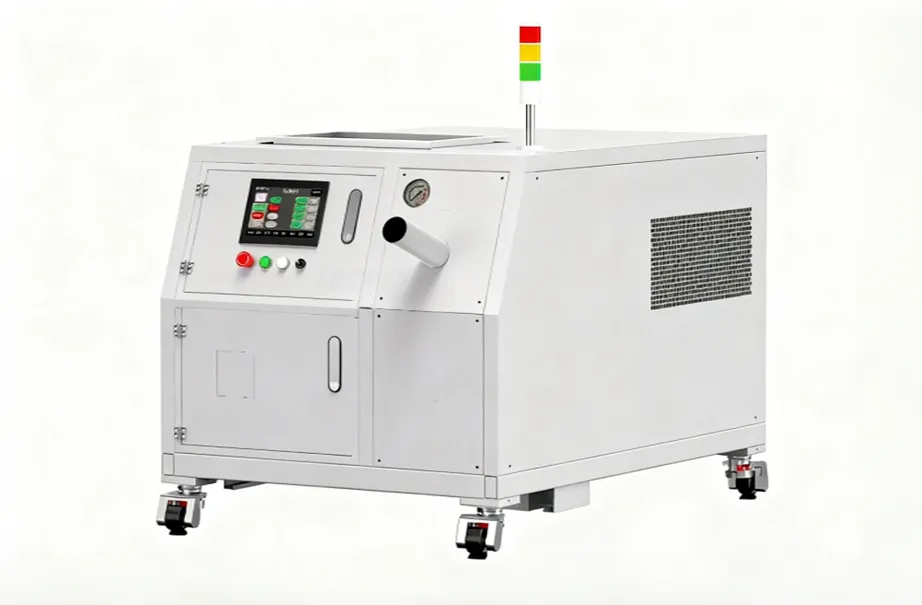
Introduction: Growing Demand for Efficient Aluminium Recycling
With the rapid development of manufacturing and metal processing industries, the amount of aluminium scrap generated has increased significantly. From machining chips to grinding sludge, managing this waste efficiently has become a major concern for businesses.
Traditional scrap handling methods are no longer sufficient in terms of cost, space, and environmental requirements. As a result, more industries are adopting Aluminium Briquetting Machines to improve recycling efficiency and reduce operational costs.
Understanding which industries benefit the most from this technology can help businesses identify the right solutions for their needs.
CNC Machining and Precision Manufacturing
CNC machining and precision manufacturing industries are among the largest users of Aluminium Briquetting Machines.
These operations generate large volumes of aluminium chips and turnings during cutting, drilling, and milling processes. The waste is often loose, oily, and difficult to handle.
By using an Aluminium Briquetting Machine, manufacturers can:
- Compress chips into dense briquettes
- Recover cutting fluids for reuse
- Reduce storage and transportation costs
This leads to improved efficiency and better resource utilization.
Automotive Manufacturing
The automotive industry relies heavily on aluminium for producing lightweight components such as engine parts, body structures, and transmission systems.
During production, a significant amount of aluminium scrap is generated. Aluminium Briquetting Machines help automotive manufacturers:
- Manage scrap efficiently
- Increase recycling value
- Maintain cleaner production environments
With increasing pressure to reduce costs and improve sustainability, briquetting has become an important solution in this sector.
Aerospace Industry
The aerospace industry uses high-grade aluminium alloys for aircraft components. These materials are expensive, and minimizing waste is critical.
Aluminium Briquetting Machines are widely used to:
- Recycle high-value aluminium scrap
- Reduce material loss
- Improve cost efficiency
Due to strict quality and environmental standards, aerospace manufacturers require reliable and efficient waste processing solutions.
Metal Recycling and Scrap Processing
Recycling companies and scrap processing plants are key users of Aluminium Briquetting Machines.
These businesses handle large volumes of mixed aluminium waste from various sources. Briquetting helps:
- Increase material density
- Reduce transportation costs
- Improve resale value
For recycling operations, efficiency and profitability are directly linked to how well scrap materials are processed.
Foundries and Casting Plants
Foundries and casting facilities often reuse aluminium scrap as raw material for melting and casting processes.
Loose aluminium chips are not ideal for direct melting due to their low density and high oxidation rate. Briquetting machines convert scrap into compact blocks, which:
- Improve furnace efficiency
- Reduce metal loss during melting
- Ensure more consistent material feeding
This makes Aluminium Briquetting Machines essential equipment for modern foundries.
Metal Fabrication Workshops
Small and medium-sized metal fabrication workshops also benefit from using Aluminium Briquetting Machines.
Although their production scale may be smaller, they still generate a considerable amount of aluminium waste. Briquetting helps:
- Save storage space
- Improve workshop cleanliness
- Increase scrap value
Compact and cost-effective machines are often suitable for these businesses.
Electronics and Appliance Manufacturing
Manufacturers of electronic devices and household appliances use aluminium components for their lightweight and corrosion-resistant properties.
During production, aluminium waste is generated in various forms. Aluminium Briquetting Machines help these companies:
- Maintain organized production environments
- Improve recycling efficiency
- Reduce material waste
This is especially important in industries with high production volumes and strict quality standards.
Environmental and Waste Management Companies
With increasing environmental regulations, specialized waste management companies are adopting Aluminium Briquetting Machines to process industrial waste.
These companies focus on:
- Reducing landfill waste
- Improving recycling rates
- Supporting sustainable industrial practices
Briquetting technology plays a key role in achieving these goals.
About LEEXIN Hydraulic
LEEXIN Hydraulic is a professional manufacturer specializing in briquetting machines and energy-saving hydraulic systems. With over 20 years of experience, the company provides customized solutions for metal scrap recycling and industrial waste management.
With strong technical capabilities and flexible design options, LEEXIN supports a wide range of industries, helping customers improve efficiency, reduce costs, and achieve sustainable production.
Contact us to find the right Aluminium Briquetting Machine for your industry.
Conclusion
Aluminium Briquetting Machines are widely used across multiple industries, including CNC machining, automotive manufacturing, aerospace, recycling, foundries, and metal fabrication.
These industries generate significant amounts of aluminium waste and require efficient solutions to manage it. By converting loose scrap into dense briquettes, businesses can improve storage efficiency, reduce costs, and increase recycling value.
As sustainability and cost control become increasingly important, more industries are adopting briquetting technology as a standard part of their production process.
FAQ
Q1: Which industry uses Aluminium Briquetting Machines the most?
CNC machining and precision manufacturing industries are among the largest users due to high volumes of aluminium chips.
Q2: Are these machines suitable for small workshops?
Yes, there are compact models designed for small and medium-sized businesses.
Q3: Why are briquettes better for recycling?
They are denser, easier to transport, and reduce oxidation during melting.
Q4: Can recycling companies benefit from briquetting machines?
Yes, they can significantly improve efficiency and increase scrap value.
Q5: Do foundries use Aluminium Briquetting Machines?
Yes, briquettes are ideal for melting and help improve furnace performance.