

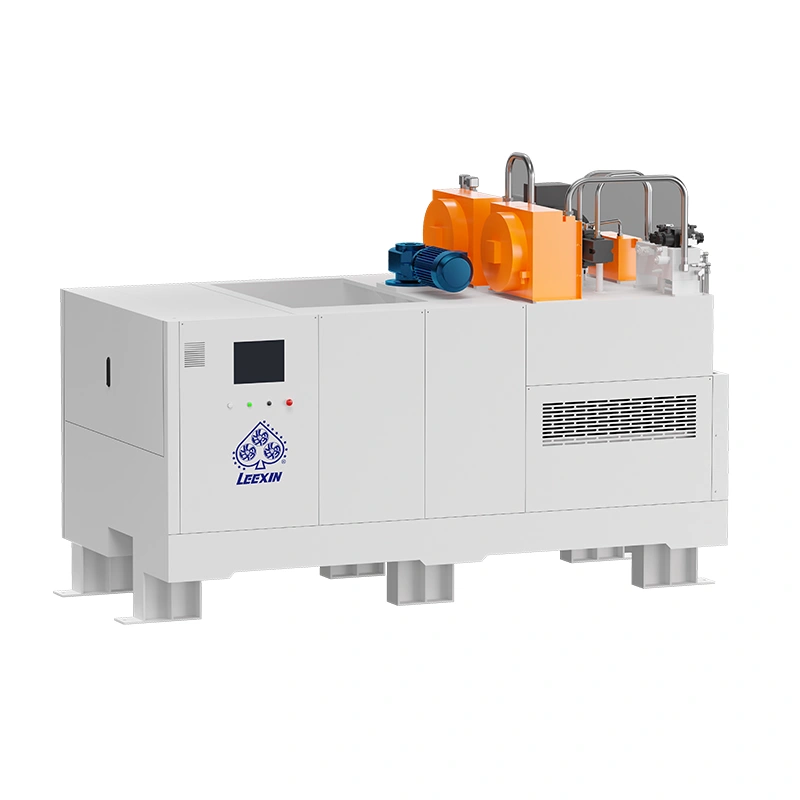
Introduction: Why Special Metals Require Specialized Processing
In high-end manufacturing industries such as aerospace, medical, and precision engineering, special metals are widely used due to their superior strength, corrosion resistance, and high-temperature performance. However, machining these materials generates valuable scrap in the form of chips, turnings, and powders.
Unlike common metals, special metals are often expensive and difficult to recycle efficiently. Improper handling can lead to material loss, contamination, and increased costs. This is why many companies rely on a Special Metals Briquetting Machine to process and recycle these materials effectively.
Understanding the types of materials that can be handled by this equipment is essential for maximizing value and ensuring efficient production.
Titanium and Titanium Alloys
Titanium is one of the most commonly processed special metals.
Typical Forms:
- Titanium chips and turnings
- Titanium shavings
- Titanium powder
Titanium is lightweight, strong, and highly corrosion-resistant, but it is also expensive. A Special Metals Briquetting Machine helps compress titanium scrap into dense briquettes, reducing oxidation and improving recycling efficiency.
Nickel and Nickel-Based Alloys
Nickel alloys are widely used in high-temperature and corrosion-resistant applications.
Common Materials:
- Inconel
- Monel
- Hastelloy
These materials are often used in aerospace and chemical industries. Briquetting helps:
- Preserve material value
- Improve handling efficiency
- Reduce storage space
Stainless Steel and High-Alloy Steel
Although stainless steel is more common, high-grade or alloyed stainless steels are considered special metals in many industries.
Processable Forms:
- Stainless steel chips
- Machining turnings
- Grinding residues
A Special Metals Briquetting Machine can compress these materials into compact blocks, making them easier to recycle and transport.
Cobalt and Cobalt Alloys
Cobalt-based materials are used in high-performance applications such as turbines and medical implants.
These materials are:
- High in value
- Difficult to process
- Sensitive to contamination
Briquetting provides a controlled way to handle cobalt scrap, ensuring better recovery and reuse.
Magnesium Alloys
Magnesium alloys are lightweight and commonly used in automotive and aerospace applications.
However, magnesium chips can be:
- Flammable
- Difficult to store safely
A Special Metals Briquetting Machine helps:
- Reduce fire risk
- Improve storage safety
- Create stable briquettes for recycling
Superalloys and High-Performance Materials
Superalloys are engineered for extreme environments and include materials used in jet engines and power plants.
Examples:
- Heat-resistant alloys
- High-strength aerospace alloys
These materials are costly, and even small amounts of scrap are valuable. Briquetting ensures:
- Maximum material recovery
- Reduced waste
- Improved economic returns
Fine Metal Powder and Grinding Sludge
In precision machining and grinding processes, special metals often form:
- Fine powder
- Sludge mixed with coolant
These materials are difficult to handle due to their low density and high moisture content. A Special Metals Briquetting Machine can:
- Separate liquids
- Compress solids
- Improve handling and recycling
Mixed Special Metal Scrap
In some production environments, different special metals may be mixed together.
Depending on the application, a Special Metals Briquetting Machine can process mixed scrap, provided:
- Materials are compatible
- Contamination is controlled
This helps reduce sorting effort and improve processing efficiency.
Materials That May Require Pre-Treatment
While the machine is highly versatile, some materials require preparation before processing:
- Oversized metal pieces need shredding
- Scrap with excessive impurities should be cleaned
- High-moisture sludge may require dewatering
Proper preparation ensures optimal briquetting performance and consistent output quality.
Advantages of Processing Special Metals
Handling special metals with a briquetting machine offers significant benefits:
- Increased recycling value of high-cost materials
- Reduced storage and transportation costs
- Improved safety when handling reactive metals
- Better recovery of cutting fluids and coolants
- Enhanced environmental compliance
For industries dealing with expensive alloys, these advantages are especially important.
About LEEXIN Hydraulic
LEEXIN Hydraulic is a professional manufacturer specializing in briquetting machines and energy-saving hydraulic systems. With over 20 years of experience, the company provides customized solutions for metal scrap recycling and industrial waste management.
With advanced hydraulic technology and flexible design capabilities, LEEXIN supports the processing of a wide range of special metals, helping customers improve efficiency and maximize material value.
Contact us to get a customized Special Metals Briquetting Machine solution for your application.
Conclusion
A Special Metals Briquetting Machine can handle a wide variety of high-value materials, including titanium, nickel alloys, stainless steel, cobalt, magnesium, and advanced superalloys. It is also capable of processing fine powders and sludge generated during machining and grinding.
By converting these materials into dense, manageable briquettes, businesses can significantly improve recycling efficiency, reduce waste, and maximize the return on expensive raw materials. With proper material preparation and the right machine configuration, briquetting becomes a critical part of modern high-performance manufacturing.
FAQ
Q1: What are special metals in briquetting applications?
They typically include high-value materials such as titanium, nickel alloys, cobalt, and superalloys.
Q2: Can titanium scrap be processed?
Yes, titanium chips, turnings, and powder can all be effectively briquetted.
Q3: Is it safe to process magnesium chips?
Yes, briquetting reduces fire risk by compressing loose and reactive materials.
Q4: Can mixed special metals be processed together?
In some cases, yes, but material compatibility should be evaluated.
Q5: Do special metal materials need pre-treatment?
Some materials may require shredding, cleaning, or dewatering before processing.