

Introduction: Handling Valuable Titanium Scrap
Titanium is widely used in aerospace, medical, automotive, and chemical industries due to its high strength, lightweight, and excellent corrosion resistance. During machining and processing, large amounts of titanium chips, turnings, and powder are generated. These scraps are valuable but difficult to handle efficiently in loose form.
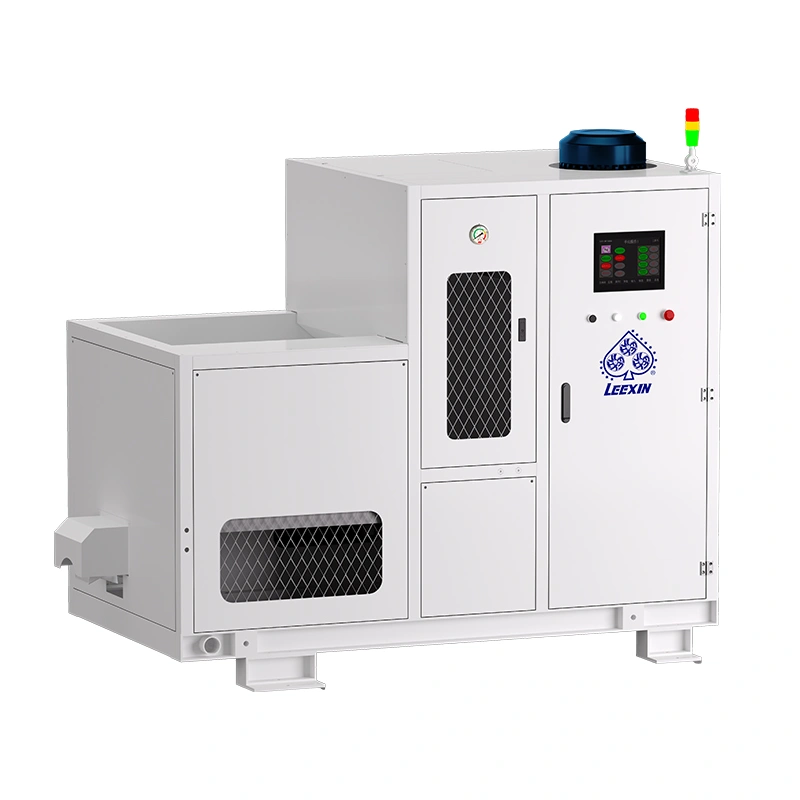
A Titanium Briquetting Machine is designed to compress titanium scrap into dense, uniform briquettes, making handling, storage, and recycling easier while reducing material loss and operational costs.
How a Titanium Briquetting Machine Works
A Titanium Briquetting Machine uses a hydraulic system to apply high pressure to loose titanium scrap. The main steps include:
- Feeding the Scrap: Titanium chips, shavings, or powder are fed into the machine.
- Compression: A high-pressure hydraulic piston compresses the material into dense blocks.
- Briquette Formation: The compacted material forms uniform briquettes that are easy to handle, transport, and store.
- Fluid Separation: If the scrap contains cutting fluids or coolants, the machine separates them for reuse.
This process ensures high-density, oxidation-resistant titanium briquettes with consistent size and shape.
Advantages of Using a Titanium Briquetting Machine
1. Increased Recycling Efficiency
Loose titanium scrap is bulky and difficult to transport or reuse. Briquetting compresses scrap into dense blocks, which:
- Reduces storage space
- Speeds up handling and transport
- Improves furnace loading efficiency in foundries
This significantly increases recycling efficiency and reduces production downtime.
2. Cost Reduction
By forming compact briquettes:
- Transportation costs decrease due to smaller volume
- Cutting fluids and coolants can be recovered and reused
- Material loss and oxidation are minimized
This leads to substantial cost savings in operations involving high-value titanium.
3. Safer Handling
Loose titanium chips and powder can pose safety risks, such as:
- Sharp edges causing injuries
- Dust generation affecting air quality
- Flammable magnesium alloy contamination (in mixed scrap)
Briquetting eliminates loose material, reducing safety hazards and creating a cleaner workplace.
4. Improved Material Recovery
High-density briquettes minimize oxidation and metal loss, ensuring that every scrap particle retains maximum value. This is critical for expensive materials like titanium.
5. Environmental Benefits
Recycling titanium scrap efficiently reduces waste and promotes sustainable production practices. The separation of fluids and reuse of cutting oils also supports environmental compliance.
Key Features That Enhance Efficiency
- High-Pressure Hydraulic System: Ensures dense, uniform briquettes.
- Wide Material Compatibility: Handles chips, turnings, powders, and sludge.
- Oil/Coolant Recovery: Reduces waste and operational costs.
- Automation Options: Semi-automatic or fully automatic operation increases productivity.
- Durable Construction: Long-term reliability under heavy-duty industrial use.
These features collectively improve efficiency, productivity, and material utilization.
About LEEXIN Hydraulic
LEEXIN Hydraulic specializes in high-quality briquetting machines and energy-saving hydraulic systems. With over 20 years of experience, LEEXIN provides customized solutions for titanium scrap processing, ensuring optimal recycling efficiency, cost reduction, and workplace safety.
Our machines are designed to meet the specific requirements of industries using titanium, including aerospace, automotive, and medical sectors.
Contact us to get a Titanium Briquetting Machine tailored to your production needs.
Conclusion
A Titanium Briquetting Machine is an essential tool for industries working with titanium scrap. By converting loose chips, shavings, and powders into dense briquettes, the machine:
- Enhances recycling efficiency
- Reduces transportation and storage costs
- Improves safety and handling
- Increases material recovery and profitability
Investing in a high-quality Titanium Briquetting Machine ensures long-term operational efficiency and sustainability.
FAQ
Q1: What materials can a Titanium Briquetting Machine process?
Titanium chips, turnings, shavings, powders, and sludge are suitable for processing.
Q2: How does it improve recycling efficiency?
By compressing loose scrap into dense briquettes, reducing volume and making handling easier.
Q3: Can cutting fluids be recovered?
Yes, most machines can separate and allow reuse of cutting fluids and coolants.
Q4: Is it safe to use for titanium scrap?
Yes, the machine minimizes dust and sharp scrap, creating a safer work environment.
Q5: Is automation available for Titanium Briquetting Machines?
Yes, machines are available in semi-automatic or fully automatic configurations depending on production needs.