
Introduction: Making an Informed Investment
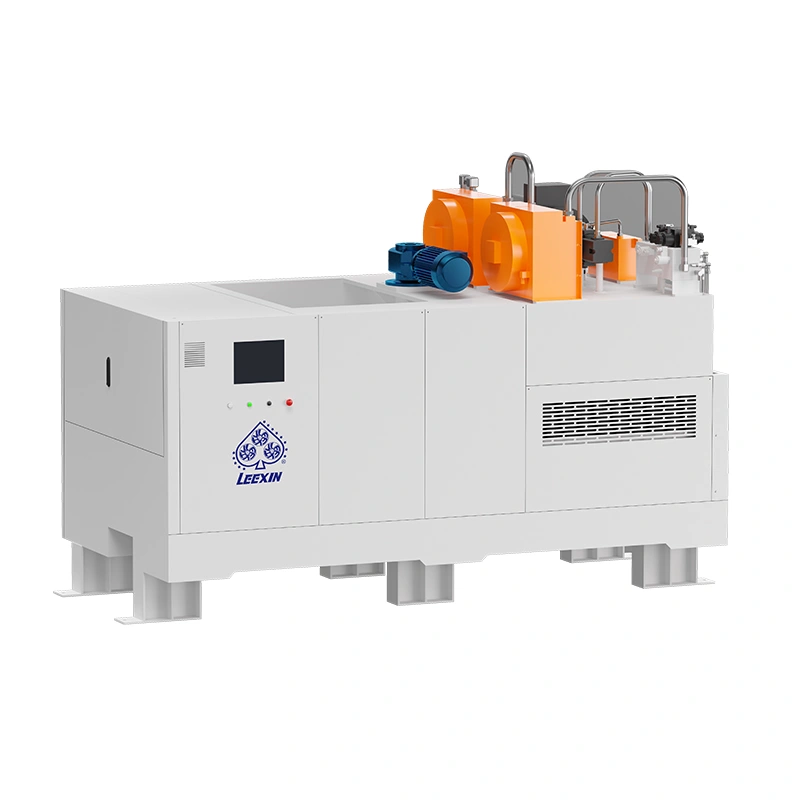
Special Metals Briquetting Machines are essential equipment for industries that process high-value metals such as titanium, nickel alloys, cobalt, and superalloys. These machines convert loose scrap, chips, and powders into dense briquettes, improving recycling efficiency and material value.
Purchasing a machine without understanding key factors can lead to suboptimal performance, higher costs, and operational inefficiencies. Knowing what to consider before buying ensures you select the right machine for your needs.
Understand Your Material Type
The type of material you plan to process is the first critical consideration.
Special metals can include:
- Titanium and titanium alloys
- Nickel-based alloys
- Cobalt and magnesium
- Stainless steel and superalloys
Different metals have varying hardness, density, and chemical properties. A compatible briquetting machine ensures:
- Consistent briquette density
- Minimal material loss
- Safe handling of reactive or fine powders
Determine Required Production Capacity
Evaluate how much material you need to process daily or hourly.
Key questions to consider:
- What is your average scrap output?
- Are there peak production periods?
- Do you plan to expand production in the future?
Selecting a machine with the correct capacity avoids bottlenecks and unnecessary overinvestment.
Evaluate Hydraulic Pressure and Briquette Density
Special metals often require high compression forces to form dense briquettes.
Check the machine’s specifications for:
- Maximum hydraulic pressure
- Stability and consistency of the hydraulic system
- Resulting briquette size and density
Machines with sufficient hydraulic power improve material recovery and create briquettes suitable for melting or resale.
Consider Automation and Operation Mode
Different machines offer various levels of automation:
- Manual or semi-automatic operation for small workshops
- Fully automatic systems for large-scale operations
Automation can:
- Reduce labor costs
- Increase productivity
- Ensure consistent output quality
Choose a level of automation that matches your production scale and budget.
Assess Material Pre-Treatment Requirements
Some special metal scrap may require preparation before briquetting:
- Oversized pieces may need shredding
- Scrap with excessive impurities should be cleaned
- High-moisture sludge may require partial dewatering
Understanding pre-treatment needs ensures smooth operation and protects the machine from damage.
Check Oil and Coolant Recovery Capabilities
Many machining operations generate scrap contaminated with cutting fluids.
A high-quality Special Metals Briquetting Machine can:
- Separate oils and coolants during compression
- Allow recovery and reuse of fluids
- Reduce disposal costs and environmental impact
This feature is particularly important for expensive metals and sustainable operations.
Review Machine Durability and Build Quality
Processing special metals can be demanding. Ensure the machine is built to last.
Important factors include:
- Reinforced frame structure
- Wear-resistant hydraulic components
- Long-term reliability under heavy-duty use
Durable machines reduce maintenance costs and downtime.
Understand Customization Options
Every facility may have unique requirements.
Check if the manufacturer offers:
- Custom machine configurations
- Flexible capacity adjustments
- Integration with existing production lines
Customization ensures the machine fits your workflow and maximizes efficiency.
Consider After-Sales Support and Service
Reliable technical support is crucial for smooth operation.
Ask about:
- Installation and commissioning support
- Maintenance services and spare parts availability
- Technical assistance and training
Strong after-sales service minimizes downtime and ensures long-term performance.
About LEEXIN Hydraulic
LEEXIN Hydraulic is a professional manufacturer specializing in briquetting machines and energy-saving hydraulic systems. With over 20 years of experience, the company provides customized solutions for special metal scrap recycling and industrial waste management.
LEEXIN’s advanced hydraulic technology, durable machine design, and flexible customization options help customers select the right Special Metals Briquetting Machine for their production needs.
Contact us for professional guidance and tailored solutions.
Conclusion
Before buying a Special Metals Briquetting Machine, it is important to consider material compatibility, production capacity, hydraulic system performance, automation level, pre-treatment needs, oil recovery capabilities, machine durability, customization, and after-sales support.
By evaluating these factors carefully, businesses can make a well-informed investment that improves efficiency, increases recycling value, and ensures safe and reliable operation for high-value metals.
FAQ
Q1: What materials can be processed with a Special Metals Briquetting Machine?
Titanium, nickel alloys, cobalt, magnesium, stainless steel, and superalloys.
Q2: How do I determine the right machine capacity?
Evaluate daily scrap output, peak periods, and future production plans.
Q3: Is automation necessary for small workshops?
Not always; semi-automatic or manual machines may be sufficient for small-scale operations.
Q4: Can the machine recover cutting fluids?
Yes, modern machines separate oil and coolant for reuse.
Q5: Should I consider customization?
Yes, customization ensures the machine fits your production workflow and material types.