

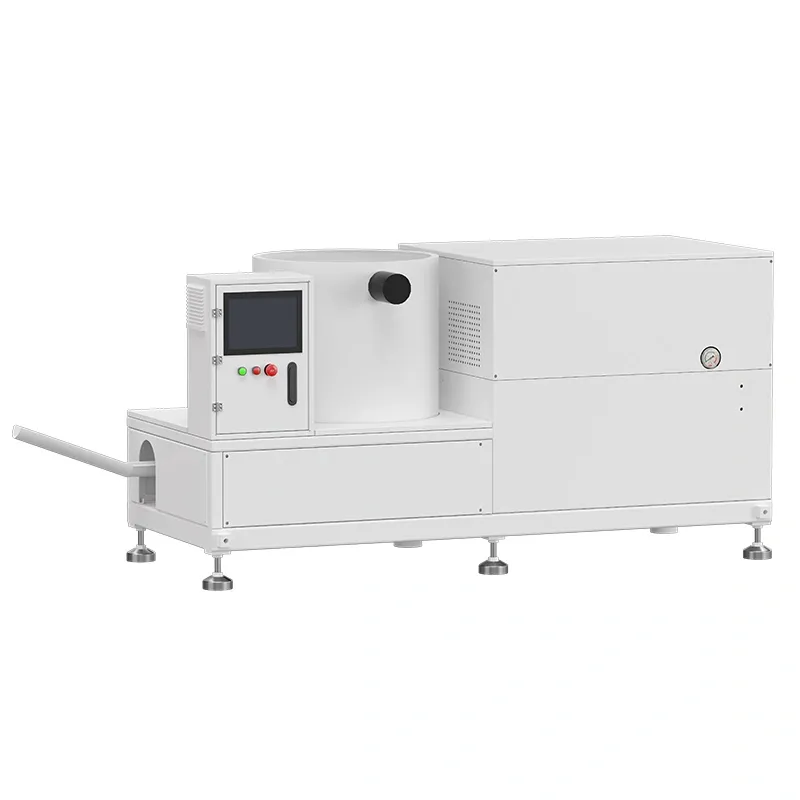
Introduction: Unlocking the Value of Wood Waste
Woodworking, furniture manufacturing, and sawmill operations produce vast amounts of wood waste every day. Loose wood waste can be bulky, difficult to transport, and environmentally challenging to manage. A Wood Briquetting Machine compresses this waste into dense, uniform briquettes. These briquettes are easier to handle, store, transport, and can even serve as a renewable fuel source.
Understanding the types of materials that can be processed ensures you select the right machine for your facility and maximize efficiency and sustainability.
1. Sawdust
Sawdust is one of the most common byproducts in woodworking. It comes from:
- Milling operations
- Planing and sanding
- Sawing and cutting
Sawdust, if left loose, can be difficult to store and may pose fire hazards due to its light, powdery nature. Briquetting sawdust:
- Reduces storage volume dramatically
- Minimizes dust dispersal
- Produces dense, energy-rich briquettes suitable for heating or industrial use
This makes sawdust not just waste, but a valuable resource.
2. Wood Chips
Wood chips are produced from:
- Chipping machines in wood processing plants
- Residues from furniture manufacturing
- Small offcuts from cutting and trimming
Loose wood chips are bulky, occupy large storage spaces, and are not practical for transport. A Wood Briquetting Machine compresses these chips into solid briquettes, which are:
- Compact and stackable
- Easier to transport and handle
- Suitable as biomass fuel for boilers, furnaces, or stoves
3. Wood Shavings
Wood shavings are thin curls or flakes produced during:
- Planing
- Carpentry work
- Furniture shaping
Shavings, although less dense than chips, can be effectively compressed into briquettes. This process:
- Converts waste into a stable, dense product
- Reduces fire and dust hazards
- Allows for easier storage and handling
Briquetting shavings ensures no material goes to waste while creating a reusable energy source.
4. Wood Residues and Offcuts
Wood residues and offcuts are leftover materials from various woodworking processes, such as:
- Trimming edges of boards or panels
- Cutting small parts from raw wood
- Scraps from moldings or furniture pieces
These pieces are often irregular and difficult to manage in bulk. Briquetting machines can process these residues, producing uniform briquettes that:
- Maximize material utilization
- Reduce landfill disposal
- Provide additional fuel or raw material value
5. Biomass and Agricultural Residues
Advanced Wood Briquetting Machines can also handle biomass and plant-based residues, such as:
- Rice husks
- Corn stalks
- Palm residues
- Other agricultural byproducts
Processing these materials into briquettes provides a renewable fuel source and supports sustainable operations. This capability makes the machine versatile and valuable for industries beyond traditional woodworking.
6. Mixed Materials
Some facilities generate a mixture of sawdust, chips, shavings, and small residues. High-quality Wood Briquetting Machines are capable of handling these mixed materials, producing dense, uniform briquettes without compromising quality. This flexibility ensures efficient use of all types of wood waste.
About LEEXIN Hydraulic
LEEXIN Hydraulic specializes in Wood Briquetting Machines and energy-saving hydraulic systems. With over 20 years of experience, LEEXIN provides machines that:
- Handle sawdust, wood chips, shavings, offcuts, and biomass residues
- Reduce storage space and transportation costs
- Produce high-density briquettes suitable for fuel or recycling
- Support sustainable and eco-friendly operations
We offer customized solutions, installation, training, and maintenance services to ensure your machine operates efficiently and reliably.
Conclusion
A Wood Briquetting Machine can process a wide variety of materials, including:
- Sawdust from milling and cutting
- Wood chips from chipping and trimming
- Shavings from carpentry and furniture workshops
- Residues and offcuts from woodworking
- Agricultural and biomass materials
- Mixed wood waste from various operations
By converting loose, bulky wood waste into dense, uniform briquettes, industries can:
- Save storage and transportation costs
- Reduce environmental impact
- Generate eco-friendly fuel
- Improve workplace safety
- Maximize resource utilization
Investing in a high-quality Wood Briquetting Machine ensures efficient, safe, and sustainable wood waste management, turning waste into value.
FAQ
Q1: Can sawdust be briquetted?
Yes, sawdust can be compressed into dense briquettes suitable for fuel or recycling.
Q2: Are wood chips suitable for briquetting?
Yes, wood chips are ideal for forming uniform, compact briquettes.
Q3: Can wood shavings be processed?
Yes, shavings can be effectively briquetted to reduce volume and hazards.
Q4: Can biomass and agricultural residues be processed?
Yes, many machines handle rice husks, corn stalks, and other plant-based residues.
Q5: Can mixed wood waste be processed in one machine?
Yes, high-quality machines can handle sawdust, chips, shavings, and residues simultaneously.