

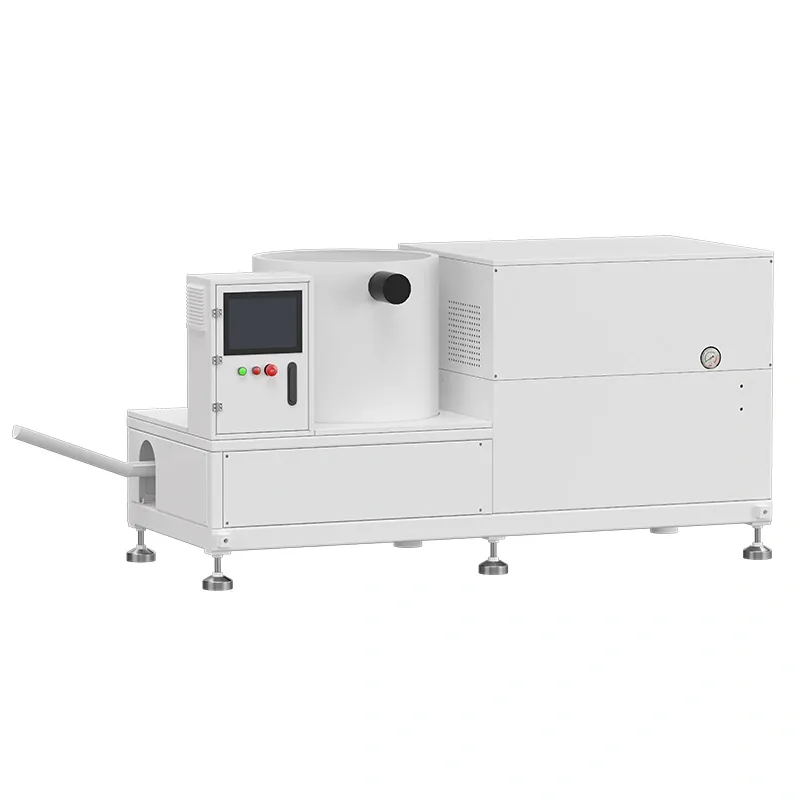
Introduction: Making the Right Investment
Investing in a Wood Briquetting Machine can transform bulky wood waste into dense, uniform briquettes that are easy to store, transport, and use as fuel or raw material. However, not all briquetting machines are suitable for every facility. To ensure efficiency, cost-effectiveness, and long-term reliability, there are several factors you should carefully evaluate before purchasing.
1. Type of Wood Waste
Different wood residues require different processing capabilities:
- Sawdust: Fine powder from milling or cutting
- Wood chips: Produced from chipping and trimming operations
- Shavings: Thin curls or flakes from planing and carpentry
- Offcuts and residues: Irregular scraps from furniture or panel production
Choose a machine designed to handle the types of wood waste your facility generates to ensure optimal briquette quality and efficiency.
2. Moisture Content of Materials
The moisture content of wood materials significantly affects briquetting performance:
- Ideal moisture content is typically 8–12% for most machines
- High moisture materials can produce low-density, weak briquettes
- Very dry materials may require pre-conditioning to avoid dust and poor compaction
Ensure the machine you select can handle the moisture range of your wood waste or consider a pre-drying system.
3. Machine Capacity and Output
Evaluate the volume of wood waste your facility produces:
- How many tons per day or per shift need to be processed?
- What briquette size and density do you require?
- Do you need continuous operation for high-volume production?
Selecting a machine with the right capacity ensures smooth operations and avoids bottlenecks.
4. Hydraulic Pressure and Briquette Quality
Hydraulic or mechanical pressure determines briquette density and durability:
- Higher pressure produces denser, uniform briquettes
- Dense briquettes are easier to handle, store, and transport
- Low-pressure machines may produce fragile briquettes that crumble easily
Check the maximum pressure specifications and ensure it meets your operational requirements.
5. Automation and Control Features
Automation improves efficiency, consistency, and safety:
- Semi-automatic or fully automatic operation
- Programmable controls for briquette size, density, and production rate
- Safety features such as interlocks and overload protection
Automated machines reduce labor costs and maintain consistent quality.
6. Energy Efficiency and Operational Costs
Briquetting consumes power, and energy efficiency impacts operating costs:
- Compare power consumption per ton of briquette produced
- Look for machines with energy-saving hydraulic systems
- Consider maintenance costs and spare parts availability
Efficient machines reduce long-term operational expenses.
7. Supplier Reputation and After-Sales Support
A reliable supplier ensures machine longevity and operational support:
- Established experience in briquetting machines
- References and case studies from previous clients
- Availability of spare parts, installation, training, and maintenance support
Working with a reputable supplier minimizes downtime and maximizes ROI.
About LEEXIN Hydraulic
LEEXIN Hydraulic has over 20 years of experience in Wood Briquetting Machines and hydraulic systems. Our machines are designed to process:
- Sawdust, wood chips, shavings
- Offcuts and residues
- Biomass materials
LEEXIN provides customized solutions, installation, operator training, and maintenance support to ensure your machine operates efficiently and reliably.
Conclusion
Before purchasing a Wood Briquetting Machine, consider the following factors:
- Type of wood waste and material characteristics
- Moisture content of your wood materials
- Machine capacity and required output
- Hydraulic or mechanical pressure for briquette quality
- Automation and control features for efficiency and safety
- Energy efficiency and operational costs
- Supplier reputation and after-sales support
Careful evaluation of these factors ensures that your investment provides high-quality briquettes, efficient operations, and long-term sustainability.
FAQ
Q1: What types of wood waste can be processed?
Sawdust, wood chips, shavings, offcuts, and biomass residues.
Q2: How does moisture content affect briquetting?
Optimal moisture ensures dense, durable briquettes; too wet or too dry can reduce quality.
Q3: Is automation important?
Yes, automation improves efficiency, consistency, and safety while reducing labor costs.
Q4: How do I choose the right capacity?
Consider daily or shift production volume, briquette size, and operational requirements.
Q5: Why is supplier support critical?
Reliable suppliers provide installation, training, maintenance, and spare parts to ensure long-term performance.