
Introduction: Understanding Material Compatibility
In metal processing industries, aluminium waste comes in many different forms, including chips, shavings, powder, and mixed scrap. Each type of material presents unique challenges in terms of handling, storage, and recycling.
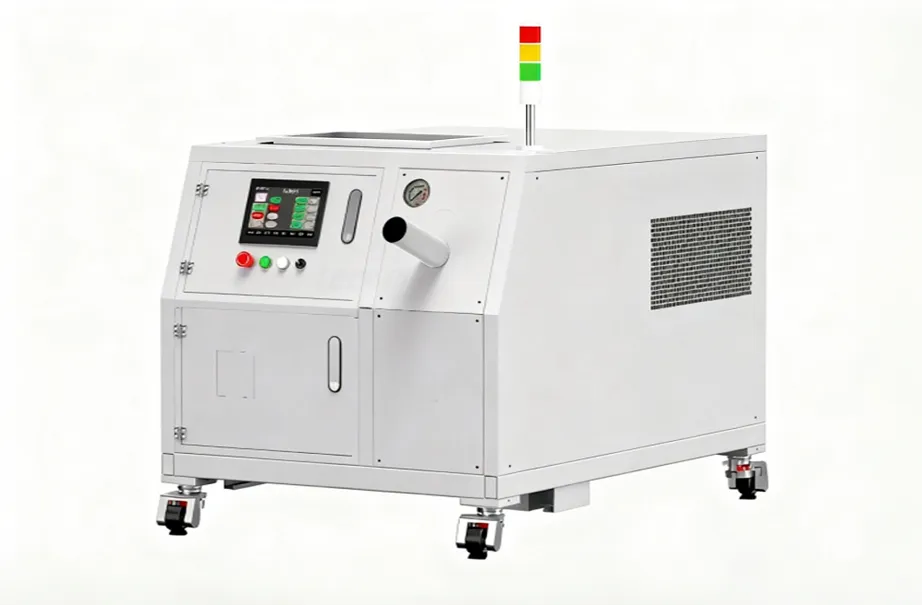
Choosing the right equipment for processing these materials is essential for improving efficiency and reducing costs. An Aluminium Briquetting Machine is specifically designed to handle various forms of aluminium waste and convert them into compact, high-density briquettes.
Understanding what materials can be processed helps businesses maximize the value of their scrap and optimize production workflows.
Primary Aluminium Materials That Can Be Processed
An Aluminium Briquetting Machine is primarily used for processing different types of aluminium waste generated during manufacturing.
Aluminium Chips
Aluminium chips are one of the most common by-products of CNC machining and milling processes. These chips are usually loose and irregular in shape, making them difficult to store and transport. The briquetting machine compresses them into solid blocks, improving handling efficiency.
Aluminium Turnings
Turnings are long, curled metal strips produced during machining. Due to their shape, they take up significant space and can easily entangle. Briquetting helps reduce volume and simplifies storage.
Aluminium Shavings
Shavings are thinner and lighter than chips, often generated during grinding or finishing operations. These materials can be effectively compacted into dense briquettes.
Aluminium Powder
Fine aluminium powder is more challenging to manage due to its low density and potential safety risks. A briquetting machine can compress powder into stable forms, reducing dust and improving safety.
Secondary and Mixed Materials
In addition to pure aluminium waste, Aluminium Briquetting Machines can also process certain mixed or secondary materials.
Mixed Light Metal Scrap
Some production environments generate mixed metal scrap that includes aluminium along with small amounts of other light metals. These materials can often be processed, depending on composition.
Aluminium with Cutting Fluids
Many aluminium scraps are contaminated with oil or coolant. During the briquetting process, these fluids are squeezed out and can be collected for reuse, making the process both economical and environmentally friendly.
Aluminium Sludge
In grinding or polishing operations, aluminium particles may mix with coolant to form sludge. A briquetting machine can separate and compress the solid content, reducing waste volume.
Materials That Require Pre-Treatment
While Aluminium Briquetting Machines are versatile, some materials may require preparation before processing.
Oversized Scrap Pieces
Large aluminium parts or blocks may need to be crushed or shredded before being fed into the machine.
Heavily Contaminated Materials
Scrap with excessive impurities such as plastics or non-metallic materials should be cleaned or sorted to ensure optimal briquetting performance.
High-Moisture Sludge
Sludge with extremely high liquid content may need partial dewatering before compression.
Advantages of Processing Different Materials
Processing a wide range of materials with an Aluminium Briquetting Machine offers several benefits:
- Improved material utilization across different waste types
- Reduced storage and transportation costs
- Higher recycling value for compressed briquettes
- Recovery of cutting fluids and oils
- Enhanced workplace cleanliness and safety
This flexibility allows manufacturers to handle multiple waste streams using a single solution.
Application Industries
The ability to process various materials makes Aluminium Briquetting Machines suitable for multiple industries:
- CNC machining and precision manufacturing
- Automotive and aerospace industries
- Metal fabrication workshops
- Recycling and waste management companies
- Foundries and casting plants
These industries benefit from improved efficiency and better resource management.
About LEEXIN Hydraulic
LEEXIN Hydraulic is a professional manufacturer specializing in briquetting machines and energy-saving hydraulic systems. With over 20 years of experience, the company provides customized solutions for metal scrap recycling and industrial waste management.
With advanced hydraulic technology and strong manufacturing capability, LEEXIN supports a wide range of materials and offers tailored solutions to meet different production requirements.
If you are looking for a reliable Aluminium Briquetting Machine for processing various aluminium waste materials, LEEXIN can provide professional support and customized equipment.
Contact us to get a solution designed for your specific needs.
Conclusion
An Aluminium Briquetting Machine is designed to process a wide variety of aluminium materials, including chips, turnings, shavings, powder, and even sludge. Its ability to handle both clean and oil-contaminated scrap makes it a highly versatile solution for modern manufacturing environments.
By understanding material compatibility and preparing materials properly when needed, businesses can maximize the efficiency of their briquetting process. This not only improves recycling outcomes but also reduces costs and supports sustainable operations.
FAQ
Q1: Can an Aluminium Briquetting Machine process aluminium powder?
Yes, it can compress fine aluminium powder into dense briquettes, improving safety and handling.
Q2: Can oily aluminium scrap be processed?
Yes, the machine can separate and recover oil or coolant during the compression process.
Q3: Is mixed metal scrap suitable for briquetting?
In many cases, mixed light metal scrap can be processed, but the composition should be evaluated.
Q4: Do materials need to be cleaned before processing?
Not always, but heavily contaminated materials should be pre-treated for better results.
Q5: Can large aluminium pieces be processed directly?
No, oversized materials usually need to be crushed or shredded before briquetting.