

Introduction: Why Aluminium Scrap Management Matters
In modern manufacturing industries such as CNC machining, automotive parts production, and metal fabrication, large amounts of aluminium chips and scrap are generated every day. These materials are often loose, bulky, and contaminated with cutting fluids, making storage and recycling inefficient.
Without proper processing, aluminium waste can lead to high transportation and storage costs, loss of valuable coolant fluids, environmental pollution risks, and lower recycling value. As industries move toward more sustainable and cost-effective production methods, efficient scrap management has become increasingly important.
An Aluminium Briquetting Machine is designed to address these challenges by converting loose aluminium waste into compact, high-density briquettes.
What Is an Aluminium Briquetting Machine?
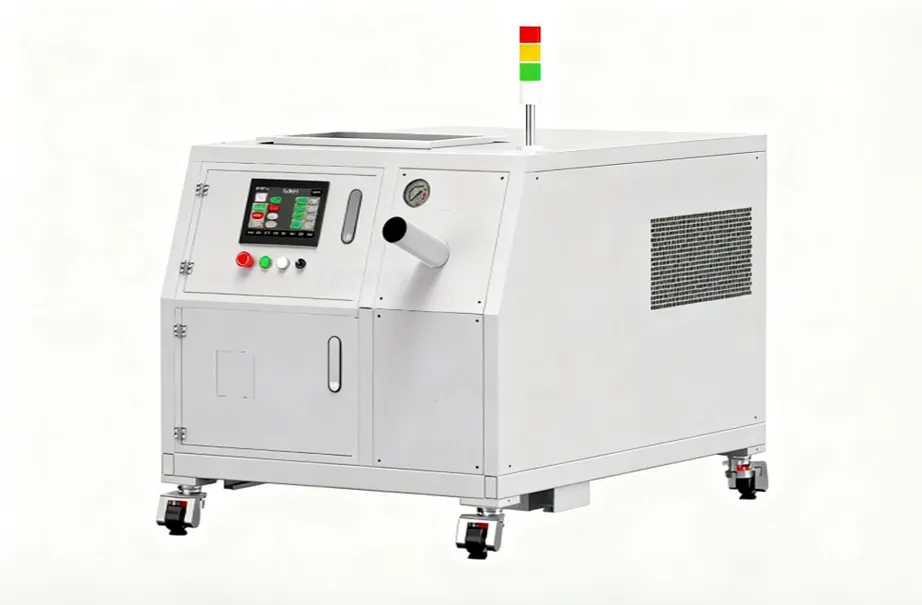
An Aluminium Briquetting Machine is a type of industrial equipment used to compress aluminium chips, turnings, and scrap into solid briquettes. These briquettes are typically cylindrical or rectangular in shape and are much easier to store, transport, and recycle than loose materials.
The machine operates using a high-pressure hydraulic system that reduces the volume of aluminium waste while increasing its density. This process not only improves handling efficiency but also enhances the value of the recycled material.
How Does an Aluminium Briquetting Machine Work?
The working process of an Aluminium Briquetting Machine generally includes the following steps:
Feeding
Aluminium chips or scrap are fed into the machine through a hopper. This can be done manually or automatically using conveyors or other feeding systems.
Pre-Compression
The material is pre-compressed to eliminate air gaps and create a more uniform structure before the main compression stage.
High-Pressure Compression
A hydraulic system applies strong pressure to compress the aluminium into dense briquettes. This is the most critical step, where the material is transformed into a solid form.
Oil and Coolant Separation
During compression, cutting fluids and oil residues are squeezed out of the aluminium scrap. These fluids can be collected and reused, helping to reduce waste and operational costs.
Briquette Discharge
Once formed, the briquettes are automatically discharged from the machine and can be directly transported or stored for recycling.
What Materials Can Be Processed?
Although primarily designed for aluminium, an Aluminium Briquetting Machine can also process:
- Aluminium chips and turnings
- Aluminium shavings
- Fine aluminium powder
- Mixed light metal scrap
This flexibility makes the machine suitable for a wide range of industrial applications.
Applications of Aluminium Briquetting Machines
Aluminium Briquetting Machines are widely used in various industries, including:
- CNC machining workshops
- Automotive parts manufacturing
- Aerospace component production
- Metal recycling plants
- Foundries and casting facilities
In these industries, efficient scrap management plays a key role in reducing costs and improving sustainability.
Benefits of Using an Aluminium Briquetting Machine
Reduced Storage Space
Compressed briquettes require significantly less storage space compared to loose aluminium chips.
Improved Recycling Efficiency
High-density briquettes are easier to transport and achieve higher value in the recycling market.
Coolant Recovery
The machine allows for the recovery and reuse of cutting fluids, reducing operational expenses.
Enhanced Workplace Safety
Loose metal chips can be hazardous. Briquetting helps create a safer working environment.
Environmental Protection
By reducing waste and improving recycling efficiency, the machine supports environmentally friendly manufacturing practices.
Aluminium Briquetting Machine vs Traditional Scrap Handling
Traditional methods of handling aluminium scrap, such as loose storage or manual compaction, are often inefficient and costly. In contrast, an Aluminium Briquetting Machine provides a more advanced solution with higher efficiency, better cost control, and improved environmental performance.
About LEEXIN Hydraulic
LEEXIN Hydraulic is a professional manufacturer specializing in briquetting machines and energy-saving hydraulic systems. With over 20 years of experience, the company provides customized solutions for metal scrap recycling and industrial waste management.
The company focuses on delivering stable performance, high efficiency, and tailored designs to meet different customer requirements across various industries.
If you are looking for a reliable Aluminium Briquetting Machine solution, LEEXIN offers professional support from design to production.
Contact us to get a customized solution for your business.
Conclusion
An Aluminium Briquetting Machine is an essential piece of equipment for industries dealing with aluminium waste. By compressing loose scrap into dense briquettes, it significantly improves storage efficiency, reduces transportation costs, and increases recycling value.
In addition, the ability to recover cutting fluids and reduce environmental impact makes it a practical and sustainable solution for modern manufacturing operations. Investing in the right briquetting machine can help businesses optimize their production processes and achieve better economic and environmental results.
FAQ
Q1: What is the main purpose of an Aluminium Briquetting Machine?
It is used to compress loose aluminium scrap into dense briquettes for easier storage, transport, and recycling.
Q2: Can the machine recover cutting fluids?
Yes, most Aluminium Briquetting Machines are designed to extract and recycle cutting fluids during the compression process.
Q3: Is it suitable for small workshops?
Yes, there are compact models available for small and medium-sized enterprises.
Q4: What shapes do the briquettes come in?
They are usually cylindrical or rectangular, depending on the machine design.
Q5: How do I choose the right Aluminium Briquetting Machine?
You should consider factors such as material type, production capacity, automation level, and whether customization is required.